May 2, 2026
Understanding why ant infestations occur and how professionals handle them empowers homeowners to take both preventative and corrective actions. By selecting qualified experts and implementing preventative strategies, families can protect their homes from these persistent intruders effectively. Awareness of seasonal peaks, prompt identification and tailored interventions are key to successful ant management. Long-term partnerships with a dependable pest control service help maintain consistent protection and confidence. Proactive prevention and professional collaboration form the foundation of effective pest control strategies. Contact Go2-Pros Pest Control today and get connected with our pest control services.
We delve into the causes of ant infestations and explores professional approaches to their elimination. By understanding the reasons behind infestations and the effective methods used by experts, homeowners can better prevent and manage these common pests. Working with a reliable pest control service can also provide long-term protection and peace of mind when infestations become difficult to manage alone.
1. The Reasons Behind Ant Infestations
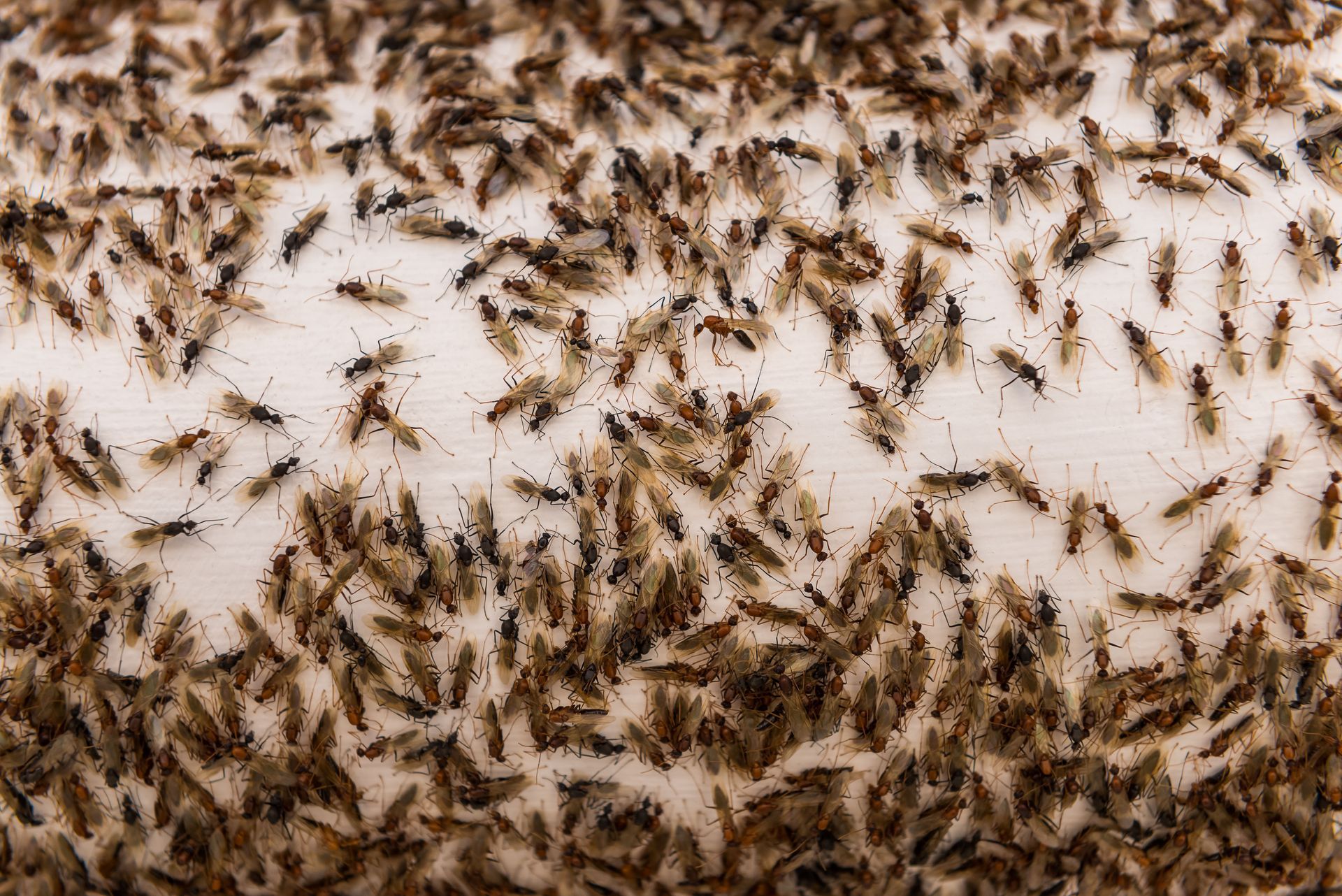
Ant infestations rarely occur without a cause. Understanding what attracts ants into a home allows homeowners to take proactive steps before a small issue becomes a widespread problem. Environmental conditions, food availability and structural vulnerabilities all play a role in how and why ants invade indoor spaces. According to Pestworld.org, spring (64%) and summer (67%) are the busiest seasons for ant-related service calls, which highlights how warmer weather and increased activity levels contribute to more frequent infestations during these times.
1.1 Environmental Factors
Ant infestations are often driven by environmental factors. The need for warmth and shelter drives ants into human dwellings, especially during extreme weather conditions. Moisture is another key factor, as many ant species are drawn to damp environments where they can easily find water sources. Urbanization also plays a role, as it disrupts natural habitats and forces ants to adapt to new environments. Understanding these factors can help in developing effective prevention strategies against infestations.
1.2 Food Sources
One of the primary reasons for ant infestations is the availability of food. Ants are attracted to a variety of food items, particularly sugary and greasy substances. Poor food storage and careless disposal of food waste can easily attract ants into homes. Once they find a reliable food source, ants leave pheromone trails to guide other colony members. Eliminating food access is thus crucial in controlling ant populations, and a pest control service can help identify hidden attractants that homeowners may overlook.
2. Common Types of Ants and Their Characteristics
Different ant species behave in unique ways, making identification an important part of controlling infestations. Each type has specific habits, nesting preferences and risks that influence how they should be treated and managed.
2.1 Carpenter Ants
Carpenter ants are known for their wood-destroying habits, often mistaken for termites. They prefer moist, decaying wood to establish their nests, making them a common problem in homes with wood structures. Unlike termites, carpenter ants do not consume wood; instead, they excavate it to create living spaces, which can cause significant structural damage over time. Identifying their presence early is crucial to prevent extensive damage to homes. Homeowners should seek professional help when signs of carpenter ants are detected.
2.2 Argentine Ants
Argentine ants are a highly invasive species known for forming supercolonies that can span large areas. They are primarily attracted to sweet substances, making kitchens and pantries prime targets. Once established, these ants can be difficult to control due to their large numbers and multiple queens. Argentine ants are highly adaptable and capable of displacing native ant species, leading to ecological imbalance. Consistent monitoring and professional intervention are often required to manage their populations effectively.
3. How Ant Infestations Impact Homes
Ant infestations can have a wide range of consequences beyond simple inconvenience. From structural damage to health concerns, these pests can disrupt daily life and create costly issues if left untreated.
3.1 Structural Damage
Ant infestations can lead to extensive structural damage if left unchecked. Carpenter ants, in particular, are known to compromise the integrity of wooden structures by creating tunnels and galleries. Over time, this can weaken the wood and lead to costly repairs. Detecting early signs of damage, such as sawdust-like frass, is key to preventing severe destruction. Routine inspections and prompt professional intervention can save homeowners from expensive structural repairs.
3.2 Food Contamination
Ants are notorious for contaminating food supplies in homes. As they forage, ants can spread bacteria and pathogens from one place to another, compromising food safety. Ensuring proper storage and disposal of food is essential to prevent contamination. Kitchens and pantries are common hot spots for ant activity, requiring vigilance and cleanliness. Routine sanitation and waste management practices can help minimize the risks of foodborne diseases.
4. Preventative Measures to Avoid Infestations
Prevention is one of the most effective ways to control ant populations. Simple adjustments in daily habits and home maintenance can significantly reduce the likelihood of infestations.
4.1 Proper Food Storage
Proper food storage is a fundamental step in preventing ant infestations. Sealing food items in airtight containers and promptly dealing with spills reduces the availability of food sources for ants. This simple prevention measure can significantly impact the likelihood of attracting ants into homes. Ensuring that both food items and waste are managed appropriately discourages ants from establishing trails indoors. Regular checks and adjustments to storage practices help maintain an ant-free environment.
4.2 Sealing Entry Points
Sealing potential entry points is critical in preventing ants from entering homes. Ants often exploit tiny cracks in walls, windows and doors to gain access to interior spaces. Conducting thorough inspections and using appropriate sealants can reduce these vulnerabilities. Applying weather stripping and maintaining screens in good condition provide additional layers of protection. These measures, coupled with regular checks, minimize ant ingress and potential infestations.
5. Professional Methods of Ant Elimination
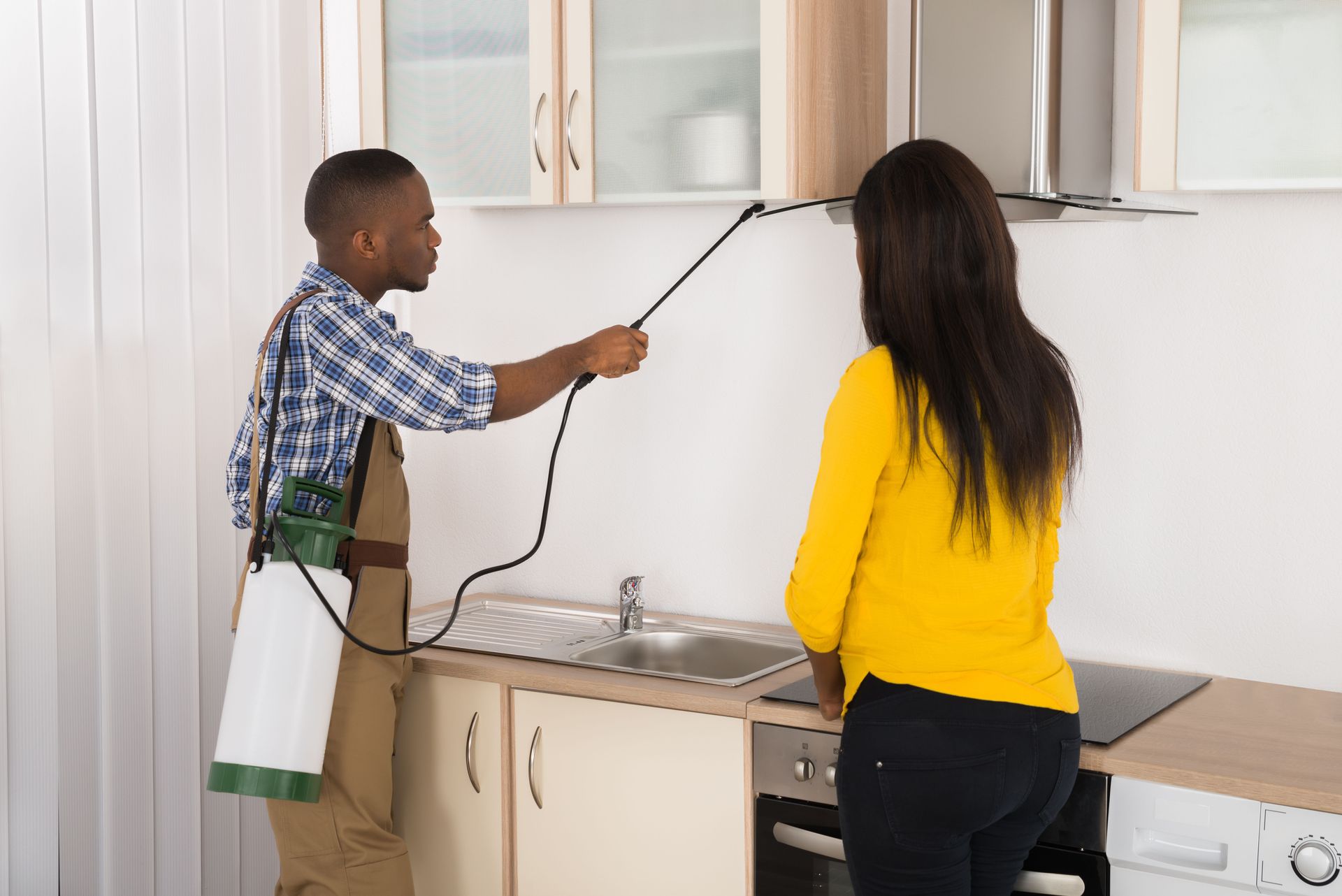
When infestations persist despite preventive efforts, professional intervention becomes necessary. Experts use a combination of proven techniques to eliminate ants and prevent their return.
5.1 Inspection and Identification
Thorough inspection and accurate identification are the starting points for effective ant management. Pest control professionals conduct detailed assessments to determine the specific ant species and their infestation sources. This step is crucial as different ant species require tailored treatment approaches. Professional expertise is often necessary for correctly identifying ants and understanding their behavior. Effective identification enables targeted interventions and increases the chances of successful elimination.
5.2 Baiting Techniques
Baiting is a widely used method in ant control, relying on the behavior of ants to collect food for sharing with their colony. Baits are formulated to attract specific ant species and are a critical component in managing persistent infestations. Professionals carefully place baits in strategic locations to optimize efficacy and minimize non-target exposure. Successful baiting often requires monitoring and adjustments to ensure maximum impact on ant colonies. Patience and expertise in using baits effectively lead to better infestation management outcomes.
6. Choosing a Professional Pest Control Service
Selecting the right provider plays a major role in the success of any pest management plan. Careful evaluation ensures homeowners receive effective and reliable service.
6.1 Evaluating Credentials and Certifications
When selecting a pest control service, evaluating credentials and certifications is crucial. Certified professionals adhere to industry standards and regulations, ensuring safe and effective pest management practices. Homeowners should inquire about licenses and certifications to validate the expertise of the pest control provider. Engaging certified professionals instills confidence in the reliability of service delivery. Comprehensive research into credentials supports informed decision-making and effective pest management solutions.
6.2 Assessing Experience and Expertise
Experience and expertise in pest control are essential for dealing with complex infestations. Seasoned professionals possess a deeper understanding of ant behaviors and effective elimination strategies. Evaluating past projects and expertise in specific pest control treatments guide homeowners in selecting the most competent service providers. This knowledge enhances the accuracy and efficiency of interventions. Well-chosen professionals apply experience-driven insights to tackle challenging infestations comprehensively.
Understanding why ant infestations occur and how professionals handle them empowers homeowners to take both preventative and corrective actions. By selecting qualified experts and implementing preventative strategies, families can protect their homes from these persistent intruders effectively. Awareness of seasonal peaks, prompt identification and tailored interventions are key to successful ant management. Long-term partnerships with a dependable pest control service help maintain consistent protection and confidence. Proactive prevention and professional collaboration form the foundation of effective pest control strategies. Contact Go2-Pros Pest Control today and get connected with our pest control services.