April 21, 2026
Understanding the impact pests have on both our health and home environment is crucial for maintaining a safe and comfortable living space. Pests such as insects, rodents, and other unwanted creatures can cause significant health risks and structural damage without pest control services. The repercussions of pest infestations are widespread, influencing not just the physical aspects of the home but also the emotional and mental well-being of its occupants. Therefore, awareness and education about pest-related issues can empower homeowners to take preemptive and corrective actions. Here are various ways pests can influence our daily lives and the necessary steps to mitigate these effects.
1. Associated Health Risks
1.1 Allergic Reactions
Allergic reactions are a common health risk posed by household pests. Dust mites, cockroaches, and rodents are notorious for triggering allergies in sensitive individuals. These reactions can range from mild discomforts such as sneezing and itching to more severe manifestations like asthma attacks. Pests can increase indoor allergens by leaving behind droppings, shed skin, and other debris that mix with household dust. For those with pre-existing respiratory conditions, exposure to these allergens can be particularly detrimental.
1.2 Disease Transmission
Pests are vectors for numerous diseases that can severely affect human health. Rodents, for instance, can carry hantavirus, while mosquitoes are well-known carriers of West Nile virus and Zika virus. Ticks are especially concerning, with Lyme disease plaguing more than 476,000 Americans annually, costing over $1.2 billion in medical care, according to Gitnux. These diseases are not only difficult to treat but can also have long-term health consequences if not addressed promptly. It is essential to control pest populations in order to reduce the risk of disease transmission in households.
1.3 Poisonous Pests
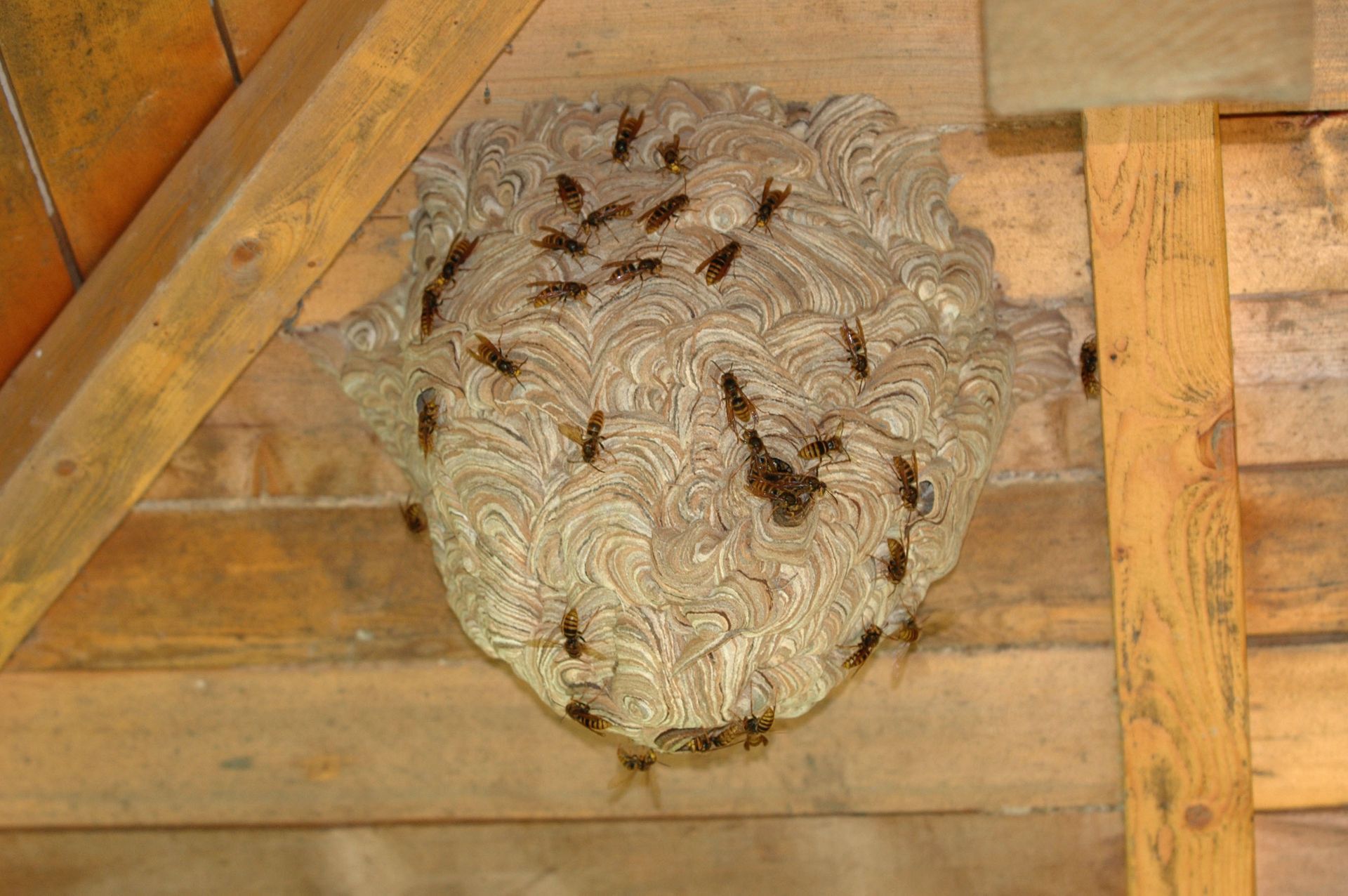
Some pests can pose serious health risks through their bites and stings. Venomous spiders like black widows and brown recluse spiders can deliver painful and sometimes life-threatening bites. Insects such as wasps and bees can cause allergic reactions in susceptible individuals, leading to anaphylaxis if not treated immediately. Even non-venomous bites can lead to infections if they're not properly cared for. The presence of these pests in the home can cause anxiety and fear among residents, especially in areas where they're prevalent.
1.4 Impact on Mental Health
The impact of pests extends beyond physical health, affecting mental well-being as well. Without intervention from pest control services, infestations can lead to increased stress, anxiety, and even sleep disturbances. Homeowners may feel overwhelmed by continuous pest problems, affecting their quality of life and peace of mind. The fear of encountering a pest, coupled with the ongoing need to address the issue, can take a mental toll over time. By managing and controlling pest infestations, individuals can alleviate some of the mental health burdens associated with these unwelcome guests.
1.5 Vulnerable Populations
Vulnerable populations, such as children, the elderly, and those with compromised immune systems, can be significantly impacted by pests. Young children are more susceptible to the ailments caused by pests due to their developing immune systems. Elderly individuals may have pre-existing health conditions that pests can exacerbate, making infestations particularly dangerous for them. Additionally, individuals with compromised immune systems are at greater risk of infections and allergic reactions from pests. Addressing pest issues is essential to protect these high-risk groups and ensure their safety and well-being.
2. Structural Damage
2.1 Termite Destruction
Termites are among the most destructive pests when it comes to structural damage. These insects feed on cellulose found in wood, and their activity can severely compromise the integrity of wooden structures. Over time, termite infestations can render wooden beams, supports, and walls weak, increasing the risk of collapse. The damage is often not visible until it has reached an advanced stage, making early detection and intervention crucial. Homeowners need to be vigilant and may benefit from professional pest control services to prevent costly repairs.
2.2 Rodent Impact
Rodents like mice and rats can cause significant damage to a home's infrastructure. They tend to gnaw on electrical wires, which can lead to fires and power outages. Furthermore, rodents can damage insulation and other household materials, impacting energy efficiency and increasing utility costs. The nesting habits of rodents can also result in clogged vents and devalued property. Effective rodent control is necessary to maintain the structural and functional integrity of a home.
2.3 Ant Infestations
Carpenter ants, in particular, can be highly destructive to wooden structures. Unlike termites, carpenter ants do not eat wood but bore through it to build their nests, compromising structural integrity. With their ability to tunnel deep into wooden components, they can go unnoticed until significant damage has occurred. The presence of carpenter ants often indicates moisture issues, which can further exacerbate structural problems. Addressing both the ant infestation and underlying moisture issues with help from pest control services is vital to prevent extensive damage.
2.4 Water Damage from Pests
Pests such as rodents and insects can indirectly cause water damage to homes. Rodents may create holes in pipes or damage roofing, leading to leaks. Insects like termites and ants can create pathways for moisture to seep into wooden structures, promoting rot. Water damage can result in mold growth and further deteriorate the building materials. Early detection and repair of pest-induced water damage are essential to protect the home's structural integrity.
2.5 Hidden Costs of Repairs
Repairing pest-related structural damage can be costly and time-consuming. Termite damage, for example, can go undetected for years, leading to expensive repairs once discovered. Additionally, the costs associated with damaged electrical systems, plumbing, and insulation can add up substantially. Beyond the immediate repair costs, pests can also reduce a home's resale value, leading to financial loss upon selling. Preventive pest management and regular home inspections from pest control services can mitigate these hidden costs.
3. Impacts on Indoor Air Quality
3.1 Allergens and Asthma
Pests contribute significantly to indoor air pollution by raising allergen levels. Allergens from pest droppings, shed skin, and other debris can exacerbate asthma symptoms and respiratory problems. For individuals with asthma, pests can make indoor environments inhospitable, reducing air quality. Children and the elderly, who are particularly sensitive to respiratory issues, face increased health risks in homes with pest infestations. Regular cleaning, along with effective pest control, can significantly improve indoor air quality.
3.2 Cockroach Residue
Cockroach residue can severely impact the air quality within a home. Saliva, droppings, and decomposing bodies of cockroaches contribute to poor air quality, releasing allergens into the environment. These allergens can cause respiratory issues and allergic reactions in sensitive individuals. Cockroach populations have been found to thrive in humid environments, making proper ventilation and sanitation crucial in preventing infestations. Addressing cockroach issues promptly can improve air quality and reduce allergy symptoms.
3.3 Mold and Mildew Promotion
Pest activity can inadvertently contribute to mold and mildew growth in homes. Rodents and insects can create entry points for moisture, encouraging mold growth in hidden or hard-to-reach areas. Mold spores in the air can lead to respiratory issues and other health problems for occupants. The presence of both pests and mold can create a challenging environment to control air quality. Effective pest and moisture management can help maintain a healthy indoor atmosphere.
3.4 Rodent Dander and Droppings
Rodent dander and droppings contribute significantly to indoor air pollution. The presence of rodents in a home can increase the levels of allergens in the air, affecting respiratory health. Exposure to these allergens can exacerbate asthma symptoms and lead to respiratory infections. Controlling rodent populations is essential to uphold indoor air quality and safeguard the health of residents. Regular cleaning and professional pest control services can help minimize rodent-related air quality issues.
3.5 Remediation and Prevention
Improving indoor air quality requires a multifaceted approach that includes pest management. Identifying and addressing the sources of pest infestations can significantly reduce allergen levels in the home. Implementing preventative measures, such as sealing entry points and maintaining cleanliness, can deter pests and improve air quality. Installing proper ventilation and utilizing air filters can also play a crucial role in maintaining healthy indoor air. Regular inspections and proactive pest control strategies are effective in safeguarding air quality.
Pest management is not only a matter of maintaining the aesthetic and structural integrity of our homes but is critically linked to safeguarding our health and well-being. The impacts of pests are far-reaching, affecting physical and mental health, as well as causing structural damage and economic loss. Through understanding, prevention, and collaborative actions, we can mitigate the adverse effects of pests, ensuring a healthier and more secure home environment. Contact Go2-Pros Pest Control today to integrate best practices in pest management and turn your home into a safe haven, free from the threats posed by pests.