April 20, 2026
Taking the first step toward a pest-free home is an important decision for any homeowner. Whether you have noticed a few suspicious scurrying sounds in the walls or have spotted actual invaders in your kitchen, hiring a professional pest control company is the most effective way to protect your property and your health. However, if you have never scheduled a professional service before, you might feel a bit apprehensive about what the process actually entails. Understanding the timeline and the techniques used by experts can turn a stressful situation into a manageable one.
The initial visit is primarily about discovery, assessment, and the establishment of a baseline for your home’s specific needs. It is much more than just spraying a few corners; it is a comprehensive evaluation of your living environment. From the moment the technician arrives at your door to the final walkthrough of the treatment plan, every step is designed to identify vulnerabilities and implement long-term solutions. By knowing exactly what to expect, you can better prepare your home and your family for a smooth and successful experience.
Surveying the Exterior Perimeter
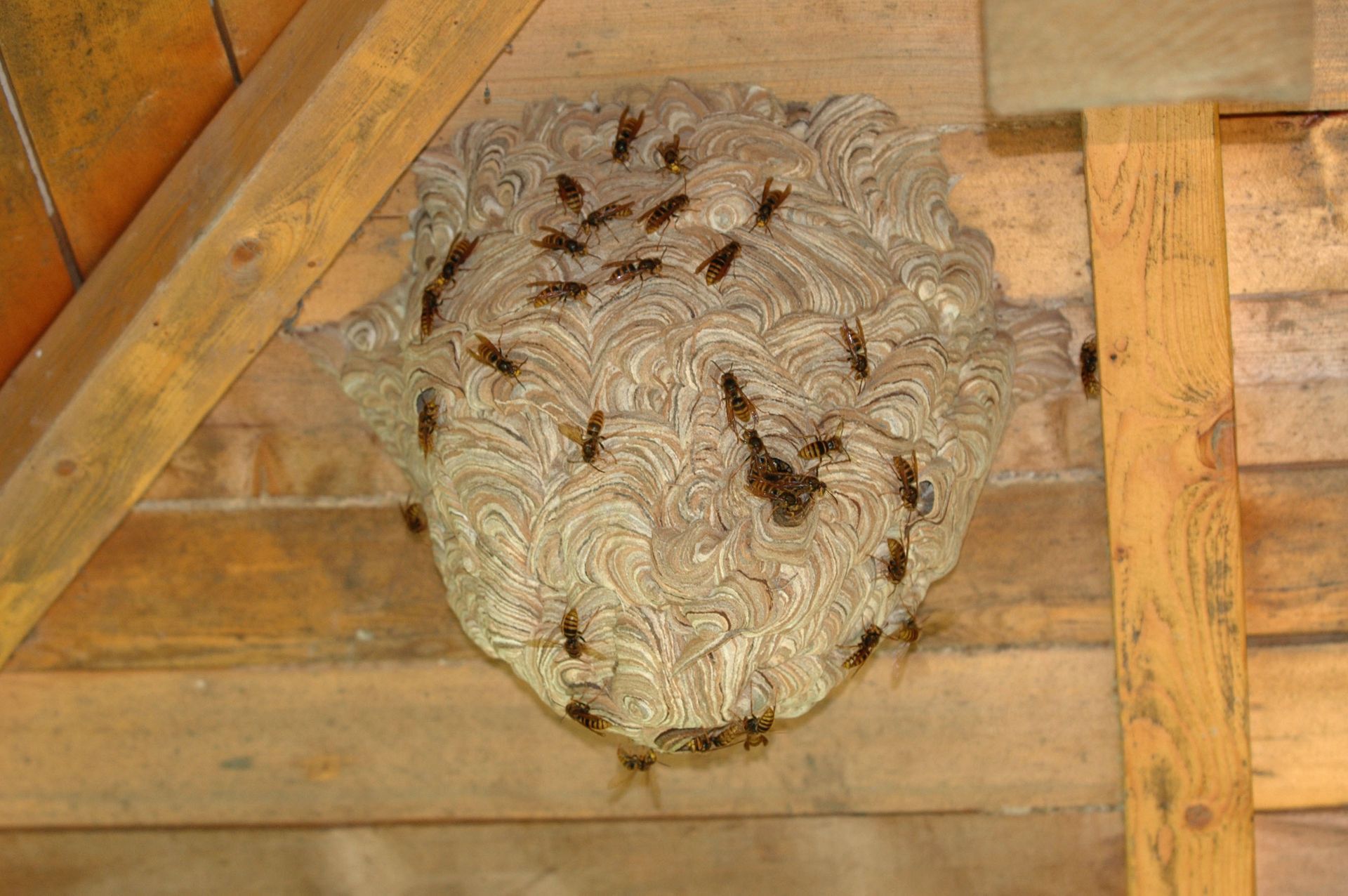
The technician will usually begin the appointment by conducting a thorough sweep of the outside of your home. This is a critical phase because most infestations originate outdoors before finding a way inside. The specialist will look for entry points such as cracks in the foundation, gaps around utility pipes, or damaged window screens that act as invitations for intruders. They will also inspect the eaves of your roof for stinging insect nests and check the perimeter of your landscaping for conditions that attract wood-destroying organisms or rodents.
Beyond just looking for holes, the representative from the pest control company will evaluate the overall environment surrounding your structure. They might point out that overhanging tree branches provide a bridge for squirrels and ants to reach your roof, or that stacks of firewood stored against the siding are a prime habitat for termites. By identifying these environmentally conducive conditions, the technician helps you understand the root cause of your pest issues. Addressing these exterior factors is often the most important step in creating a lasting barrier against future invasions.
Inspecting Internal Living Spaces
Once the exterior assessment is complete, the focus shifts to the interior of your home. The technician will need access to areas where pests are most likely to hide or find food, which typically includes the kitchen, bathrooms, and laundry room. They will look under sinks for signs of moisture and leaks, as many insects are drawn to damp environments. They will also examine the backs of pantries and the undersides of appliances for droppings, egg casings, or nesting materials that indicate an active population.
It is common for the specialist to request access to less-frequented areas like the attic, basement, or crawlspace. These quiet, dark zones are often the headquarters for many household pests because they are rarely disturbed by human activity. While it may seem intrusive to have a stranger looking in your closets or storage rooms, a reputable pest control company knows that a surface-level glance is never enough to solve a deep-seated problem. Their goal is to find the central hub of the infestation to ensure the treatment is as effective as possible.
Evaluating Potential Health Risks
During the walkthrough, the specialist is also trained to identify specific risks that certain pests pose to your family’s health and safety. For example, cockroach allergens or rodent droppings can exacerbate respiratory issues like asthma, particularly in children. The technician will take note of these hazards and discuss how the proposed treatment will help mitigate these risks. They will also check for structural damage, such as chewed electrical wiring caused by rodents, which can represent a significant fire hazard if left unaddressed.
This stage of the visit is a great time for you to share your own observations. If you have noticed specific symptoms or seen pests in certain rooms at specific times of day, providing this data helps the professional narrow down the species and the severity of the threat. According to Consumer Affairs, more than 31,000 pest control businesses are currently in operation, employing 167,232 pest control specialists. This vast workforce exists because the biological threats posed by pests are complex and require specialized knowledge to manage safely. A professional technician brings this expertise directly into your home to ensure your environment remains a healthy one.
Implementing Targeted Treatment Solutions
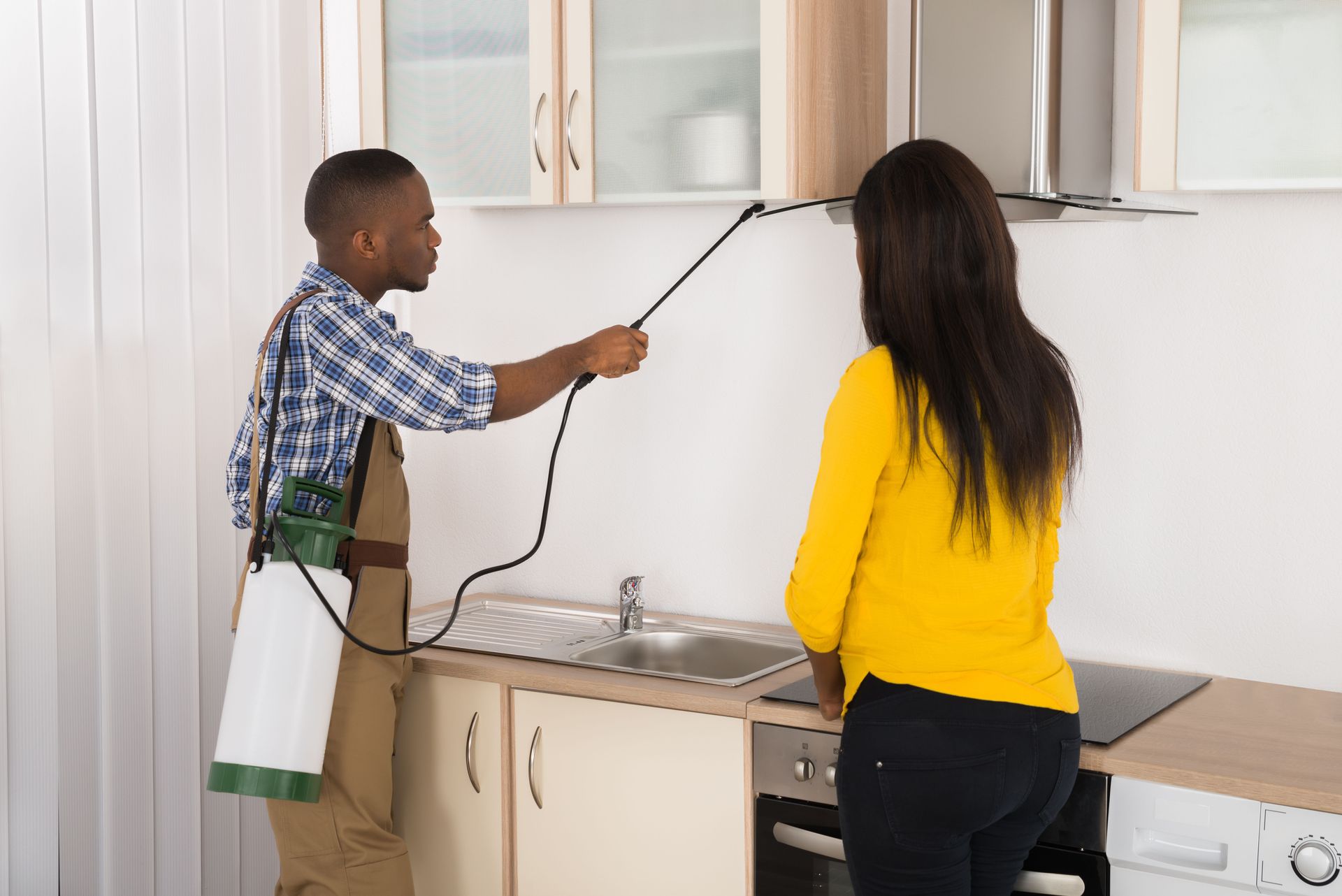
After the inspection is finished, the technician will move on to the application of specific treatments based on their findings. Rather than using a uniform approach for every house, a modern pest control company utilizes Integrated Pest Management techniques. This means they will use a combination of baits, traps, and liquid barriers that are specifically formulated for the pests identified in your home. They will focus their efforts on the problem areas found during the inspection, ensuring that the materials are placed where they will be most effective while remaining out of reach of children and pets.
The treatment phase is not just about chemicals; it often involves mechanical fixes as well. Your technician might apply caulk to seal a small gap in the baseboard or install professional-grade bait stations in the yard. They will explain the products they are using and provide you with safety data if requested, ensuring you feel comfortable with the substances being introduced to your home. This targeted approach is designed to disrupt the life cycle of the pests currently present while providing a lingering defense that prevents new ones from moving in.
Discussing Long-Term Prevention Plans
Once the immediate treatment is applied, the technician will sit down with you to discuss a long-term strategy. Pests are persistent, and a single visit is rarely enough to provide a permanent solution for a significant infestation. The professional will explain the expected timeline for seeing results—for instance, it is normal to see an increase in pest activity immediately after a treatment as they are flushed out of hiding. They will then outline a recurring schedule that keeps your home protected throughout the changing seasons.
This conversation is also your opportunity to learn about the chores you can do to assist the process. The representative from the pest control company will likely provide a list of recommendations, such as fixing a leaky pipe, keeping kitchen counters crumb-free, or decluttering the garage. These preventative measures work in tandem with the professional treatments to create an inhospitable environment for bugs and rodents. Following these tips ensures that you get the maximum value out of your investment and keeps your home a fortress against future visitors.
The first visit from a pest control company is a comprehensive process that replaces guesswork with scientific precision. From the initial exterior survey to the finalization of a customized prevention plan, each step is designed to restore your peace of mind and protect your property. While discovering an infestation can be unsettling, the presence of a trained specialist ensures that the problem is being handled with the latest technology and industry best practices. By working closely with your technician and following their preventative advice, you can ensure that your home remains a safe, comfortable sanctuary for your family. If you are ready to take control of your space and eliminate unwanted guests for good, reach out to the experts at Go2-Pros Pest Control today.