June 22, 2026
Discover the vital role a pest control company plays in managing and preventing infestations that peak during different seasons. Pest activity changes throughout the year as weather conditions, food sources, and breeding opportunities fluctuate. From ants invading kitchens in spring to rodents seeking shelter during winter, every season presents unique challenges for property owners. Professional pest management services provide the expertise, tools, and preventative strategies needed to keep homes and businesses protected year-round.
Rather than simply reacting to infestations after they occur, a modern pest control company focuses on prevention. Through inspections, monitoring, customized treatment plans, and ongoing support, professionals help reduce pest populations before they become major problems. Understanding seasonal pest behavior allows technicians to anticipate threats and implement solutions that are both effective and efficient.
Understanding Seasonal Pest Patterns
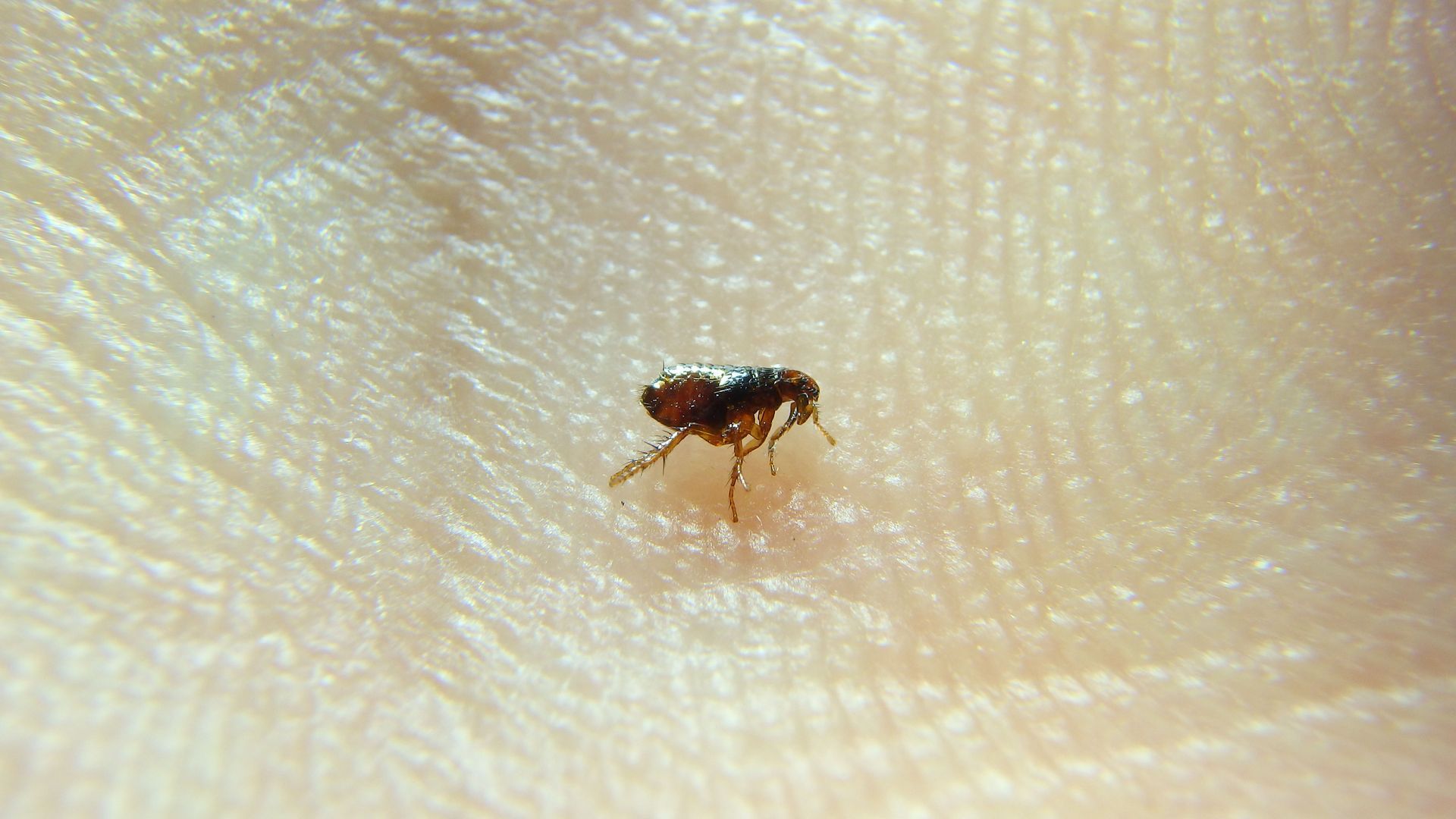
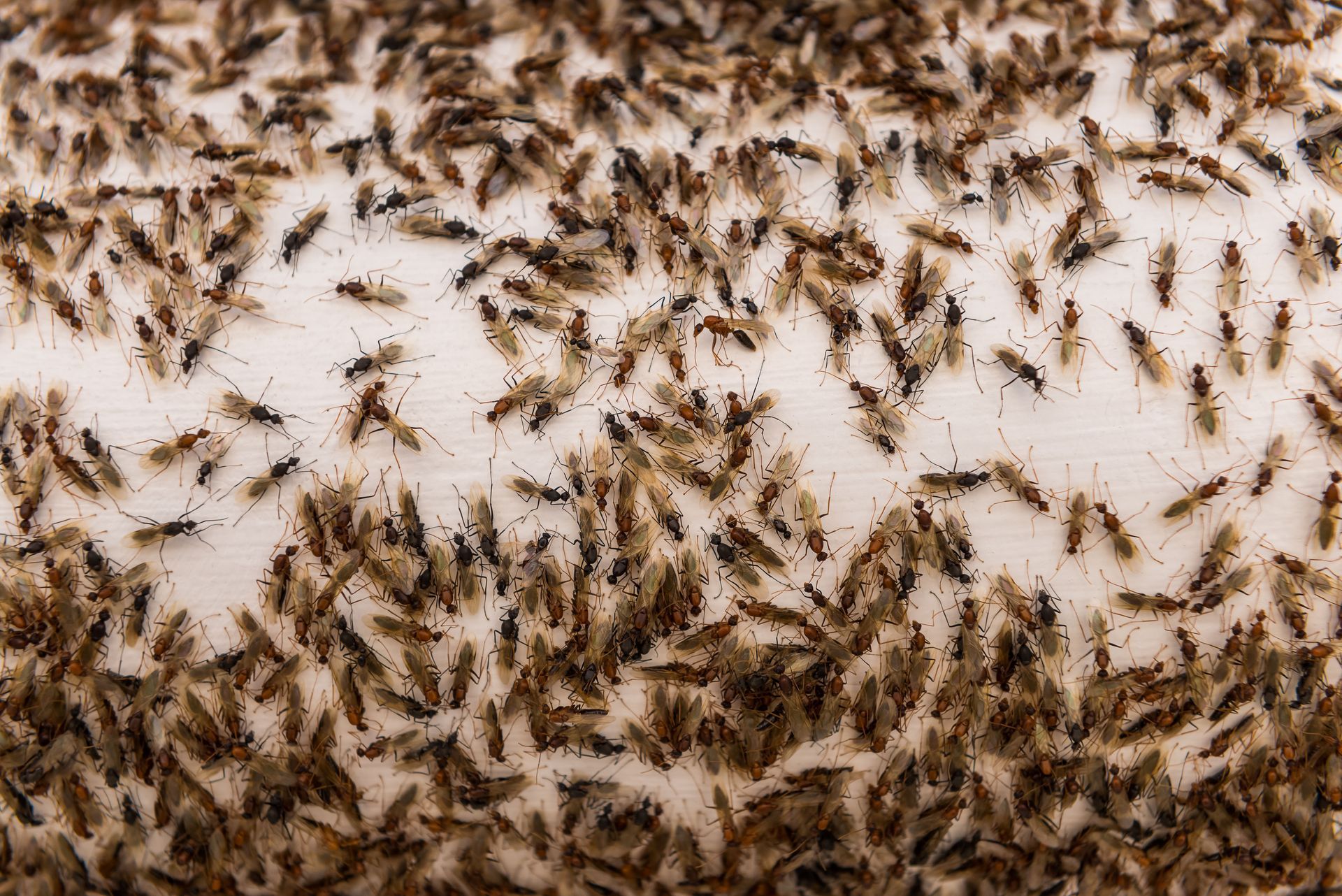
Pests vary significantly with the changing seasons, making identification and prevention critical components of successful management. During spring, rising temperatures encourage insects such as ants, termites, and flies to emerge and reproduce. Summer often brings increased mosquito, flea, and tick activity due to warm temperatures and abundant moisture. As temperatures begin to cool in the fall, rodents, spiders, and cockroaches frequently move indoors seeking food and shelter. Winter can drive pests deeper into structures where they remain active despite outdoor conditions.
A professional pest control company understands these seasonal shifts and develops treatment strategies designed to address specific threats before infestations become established. This proactive approach helps property owners avoid costly damage and reduces the likelihood of recurring pest problems.
How Weather Influences Pest Behavior
Weather conditions directly affect pest populations and movement patterns. Heavy rainfall can create breeding grounds for mosquitoes, while drought conditions may force insects and rodents indoors in search of water. Mild winters often allow pest populations to survive longer and emerge earlier during the following spring.
Understanding these environmental influences helps pest management professionals anticipate potential outbreaks. By monitoring local weather patterns and historical pest activity, technicians can schedule preventative treatments at the most effective times. This strategic timing significantly improves treatment success and minimizes pest activity throughout the year.
Predicting Infestation Spikes
Forecasting pest activity is an important aspect of modern pest management. Professionals use historical records, environmental data, and seasonal trends to identify periods when pest populations are likely to increase. This predictive approach allows treatments to be implemented before infestations reach problematic levels.
Early intervention often results in lower treatment costs and better long-term outcomes. By identifying risks before they become visible, pest professionals help clients maintain healthier and safer environments while reducing the stress associated with unexpected infestations.
The Impact of Climate Change on Pest Activity
Climate change continues to influence pest behavior across many regions. Warmer temperatures and shifting weather patterns can extend breeding seasons and allow certain pests to thrive in areas where they were previously uncommon. As a result, property owners may encounter new pest challenges that require specialized management techniques.
Pest management professionals continually adapt their strategies to address these evolving conditions. Ongoing education, research, and monitoring allow technicians to stay informed about emerging pest threats and implement solutions that remain effective despite environmental changes.
Comprehensive Property Inspections
Successful pest prevention begins with a thorough property inspection. Technicians evaluate both interior and exterior areas to identify existing pest activity, potential entry points, moisture issues, and environmental factors that may attract pests. This detailed assessment provides valuable information that guides treatment decisions.
Inspections commonly include foundations, crawl spaces, attics, landscaping, utility penetrations, storage areas, and drainage systems. Identifying vulnerabilities early allows preventative measures to be implemented before pests gain access to the property.
Using Technology for Monitoring
Technology has transformed the pest management industry by improving monitoring capabilities and response times. Smart traps, digital monitoring devices, and motion sensors provide real-time information regarding pest activity. These tools allow technicians to identify problems quickly and implement corrective measures before infestations spread.
For commercial properties, advanced monitoring systems help maintain regulatory compliance while minimizing operational disruptions. Continuous monitoring ensures that pest activity is detected and addressed as efficiently as possible.
Establishing Preventative Barriers
Physical exclusion methods remain among the most effective forms of pest prevention. Sealing cracks, repairing damaged screens, installing door sweeps, and closing gaps around utility lines can significantly reduce opportunities for pests to enter structures.
A pest control company often combines exclusion techniques with targeted treatments to create multiple layers of protection. These preventative barriers help stop infestations before they begin and reduce reliance on reactive treatments later.
Seasonal Pest Control Techniques
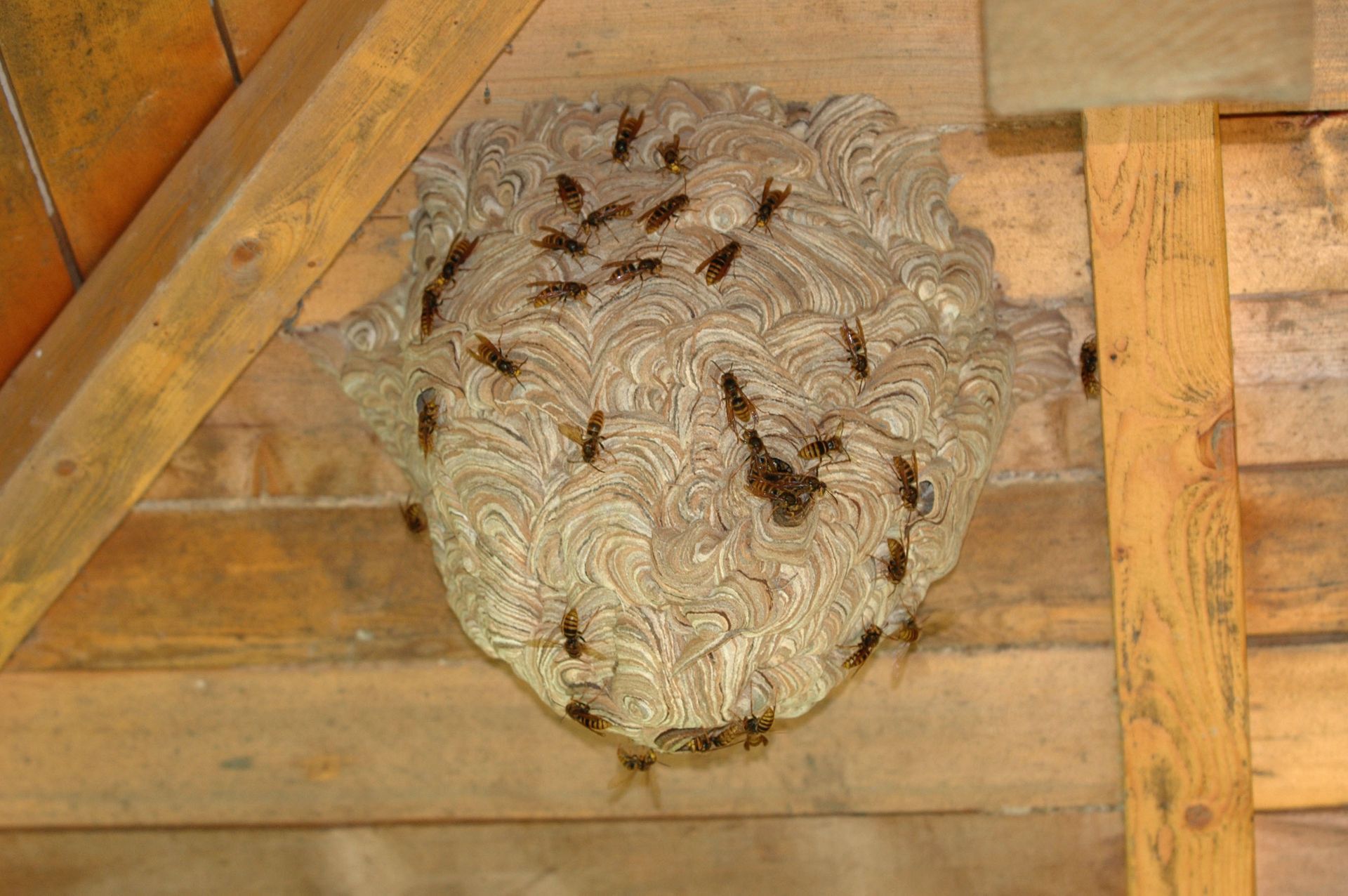
Different seasons require different approaches to pest management. During warmer months, treatments may focus on mosquitoes, ants, and stinging insects around outdoor living areas. In colder seasons, rodent exclusion, monitoring stations, and indoor treatments often become priorities.
Adjusting strategies throughout the year ensures that pest management efforts remain effective regardless of seasonal conditions. This flexibility allows professionals to address changing pest pressures while maintaining consistent protection.
Customized Treatment Plans
Every property presents unique pest challenges. Residential homes, restaurants, offices, warehouses, and healthcare facilities all require specialized approaches based on their environments and risk factors. Customized treatment plans address these specific needs while maximizing effectiveness.
A professional pest control company evaluates factors such as property layout, surrounding vegetation, previous infestations, and seasonal pest trends before recommending a treatment strategy. This personalized approach helps achieve long-term results and improves overall customer satisfaction.
Balancing Chemical and Non-Chemical Methods
Modern pest management often combines chemical and non-chemical techniques to create comprehensive solutions. Chemical treatments may provide rapid results when infestations occur, while non-chemical methods such as sanitation improvements, habitat modification, trapping, and exclusion support long-term prevention.
This balanced approach allows pest professionals to address current pest issues while minimizing environmental impact. By selecting the most appropriate methods for each situation, technicians provide effective solutions that support both safety and sustainability.
Green Pest Management Solutions
Many property owners prefer environmentally responsible pest management options. Green pest control strategies emphasize targeted treatments, reduced chemical usage, and Integrated Pest Management principles. These practices focus on prevention, monitoring, and habitat modification whenever possible.
Eco-friendly solutions can be particularly beneficial for homes with children and pets, as well as businesses seeking sustainable operational practices. Incorporating green methods helps protect the environment while maintaining effective pest control results.
Client Education and Communication
Education plays a significant role in long-term pest prevention. A pest control company helps clients understand pest behavior, risk factors, treatment procedures, and preventative measures. Informed clients are better equipped to identify early warning signs and maintain pest-resistant environments. According to Gitnux, 99.6% of U.S. pest control professionals reported treating at least one bed bug infestation in the past year, highlighting the importance of educating property owners about identifying bed bug activity before infestations become widespread.
Regular communication also helps build trust and encourages cooperation throughout the treatment process. When property owners understand why specific recommendations are made, they are more likely to implement preventative practices successfully.
Year-Round Protection for Homes and Businesses
Seasonal pest infestations require a proactive and adaptable approach to prevention. Through inspections, monitoring, customized treatment plans, exclusion techniques, and ongoing support, a pest control company helps property owners stay ahead of changing pest threats. These services provide protection against seasonal infestations while promoting healthier and more comfortable living and working environments.
By understanding pest behavior and implementing preventative strategies before problems arise, professionals deliver long-term value and peace of mind. Consistent monitoring and strategic intervention ensure that homes and businesses remain protected throughout every season of the year. Contact our team at Go2-Pros Pest Control today and get connected with our reliable pest control services.