November 21, 2026
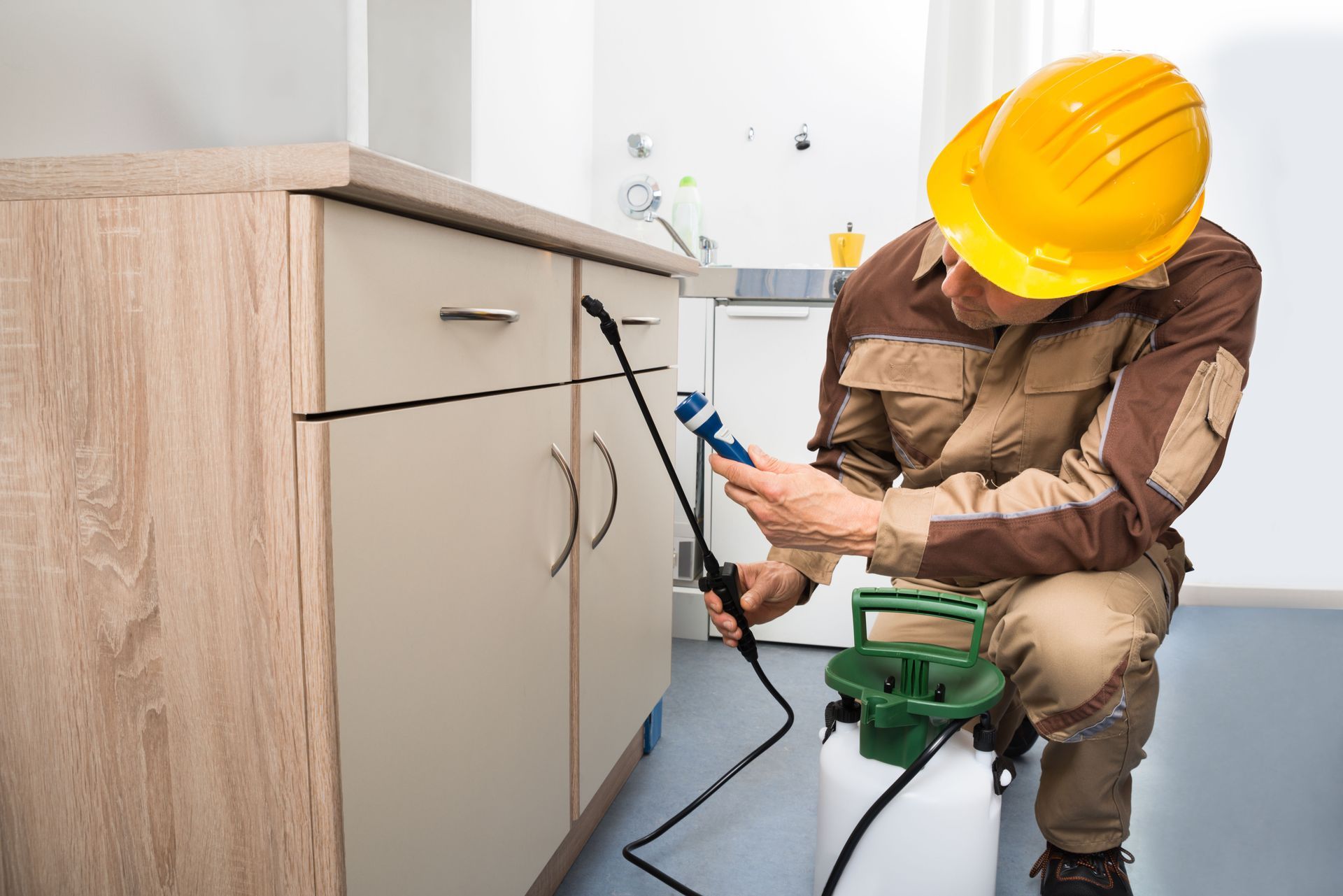
Termite infestations represent one of the most insidious threats to residential properties, quietly causing billions of dollars in structural damage every year. Because these wood-destroying pests operate entirely out of sight within wall cavities, floorboards, and foundations, homeowners frequently overlook the earliest warnings. By the time visible symptoms emerge, the internal framing of a home may already be severely compromised, turning what could have been a simple preventative treatment into an extensive structural rebuild. Engaging specialized termite control services remains the most dependable approach to unmasking hidden colonies before irreversible damage occurs. With diagnostic instrumentation, biological knowledge, and targeted eradication strategies, pest management professionals provide the vital intervention needed to safeguard property integrity. This guide details the essential indicators of colony presence, the scientific methods utilized by field technicians, and the continuous defense strategies necessary to keep your home protected.
Understanding Termite Biology and Environmental Vulnerabilities
Identifying Distinct Termite Species
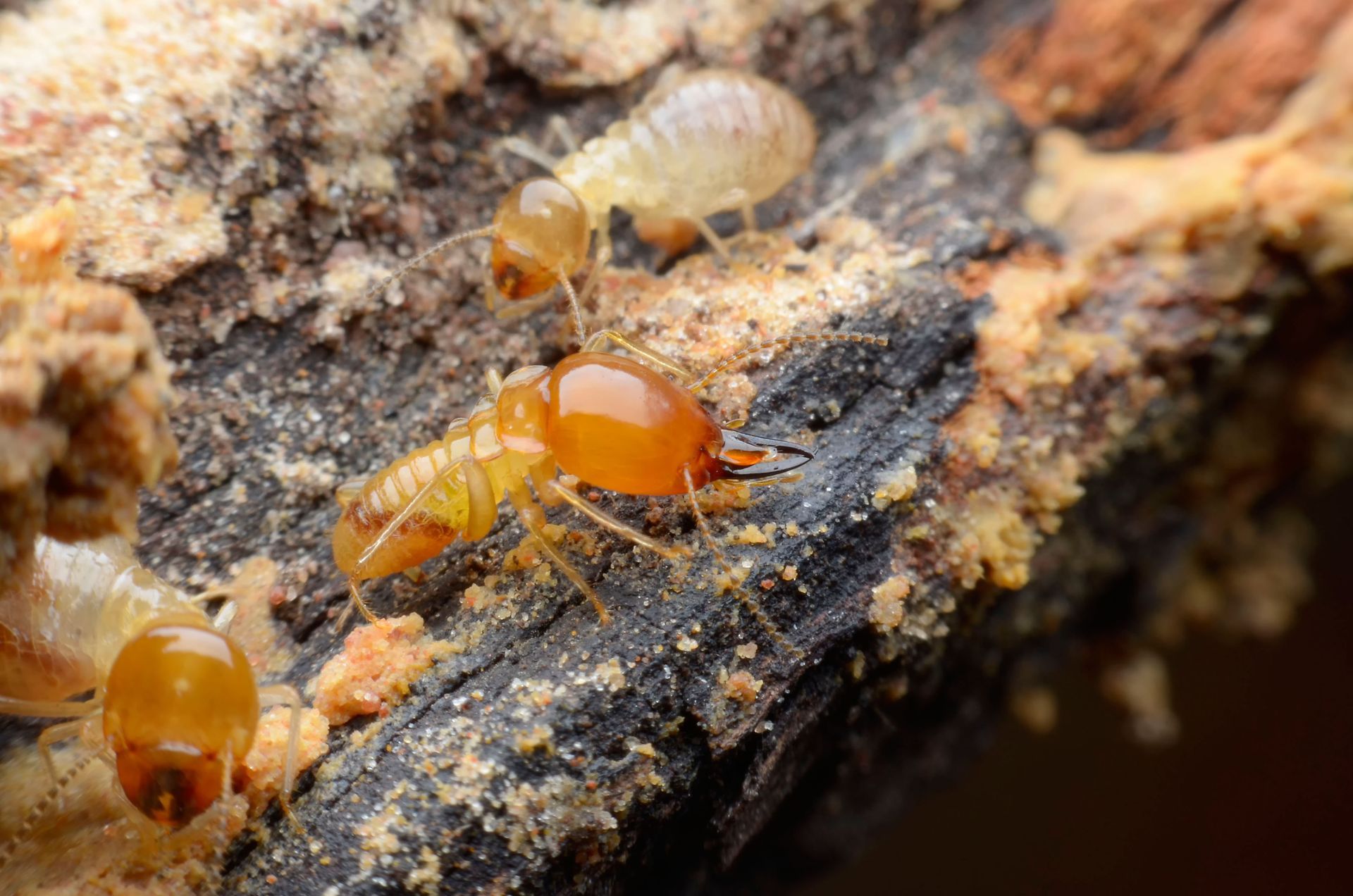
Termites are social insects categorized into three primary varieties: subterranean, drywood, and dampwood. Subterranean species reside beneath the soil line and construct exploratory mud tunnels to access food sources above ground, representing the vast majority of residential structural losses. Drywood termites establish colonies directly inside sound structural lumber without requiring soil contact or external moisture reservoirs, making them common in warm coastal framing and furniture. Dampwood termites exclusively attack wood with elevated moisture levels, such as decaying timber, damaged roof rafters, and compromised subflooring. Because each variety exhibits unique feeding habits, flight patterns, and moisture tolerances, accurate identification by licensed termite control services is necessary to determine the appropriate course of treatment.
Examining Life Cycles and Social Behaviors
A functioning colony operates through a caste system consisting of reproductive members, soldiers, and sterile workers. Worker termites perform the actual excavation and feeding, constantly consuming cellulose materials to nourish larvae, defensive soldiers, and the primary reproductive pair. Mature queens live for decades and can deposit thousands of viable eggs annually, enabling established colonies to expand silently behind finished sheetrock. Understanding how worker castes forage, create pheromone trails, and communicate distress helps exterminators predict nesting epicenters and travel corridors. Modern termite control services use this biological data to install colony-eliminating matrices that capitalize on natural food-sharing behaviors, ensuring the toxicants reach the queen directly.
Analyzing Environmental Catalysts for Infestation
Specific environmental conditions accelerate wood-destroying insect activity. Warm, humid climates offer optimal conditions for subterranean and dampwood colonies to thrive year-round, while poorly ventilated foundation crawlspaces produce concentrated humidity ideal for nesting. Siding-to-soil contact, dense garden mulch beds positioned directly against exterior walls, and clogged gutters that dump roof runoff beside foundation footings create effortless access routes. When excessive moisture pairs with structural framing, a structure becomes a prime candidate for immediate colonization. Correcting these macro-environmental vulnerabilities while retaining professional termite control services creates a multi-layered defense that minimizes pest attraction.
Recognizing Structural Materials Vulnerable to Attack
Cellulose forms the dietary basis of all termite damage. While conventional wood framing, sill plates, floor joists, and roof trusses are standard targets, termites will also chew through non-cellulose materials to reach food reserves. Rigid foam insulation panels, paper-faced gypsum drywall, cardboard storage bins, wallpaper, and subfloor adhesives can all experience extensive tunneling. Because subterranean species hollow out timber from the inside out while leaving external paint or veneer films untouched, owners frequently confuse early hollowed wood with simple moisture decay. Detailed evaluations by termite control services confirm whether damaged materials stem from fungal rot or active feeding.
Tracking Seasonal Swarming and Foraging Cycles
Termite activity fluctuates according to regional climatic shifts and seasonal changes. In temperate climates, colonies remain active underground throughout the winter months before releasing winged reproductive alates during warm, humid spring mornings. In subtropical environments, drywood species frequently swarm during late summer evenings. Swarm events represent the public phase of a mature colony's expansion, signaling that an active colony exists nearby and is attempting to colonize adjacent structures. Professional termite control services account for these regional flight cycles to schedule targeted preventative barriers right before flight periods begin.
Recognizing Subtle Signs of Active Infestation
Discovering Hollowed and Damaged Woodwork
Unexplained structural weakness is a primary symptom of ongoing insect feeding. Impacted baseboards, window casings, and load-bearing studs may appear sound at a glance, but tapping them with a screwdriver handle reveals a hollow, papery sound where the internal wood fibers have been consumed. Termites frequently hollow out wood along the softer spring growth rings, leaving an empty honeycomb interior. According to PestWorld, only 36% of homeowners are familiar with common termite infestation signs, which explains why feeding often continues unnoticed for years until significant interior defacement or floor sagging demands immediate termite control services.
Spotting Protective Mud Tubes Along Foundations
Subterranean workers construct narrow earthen transit tunnels, commonly known as mud tubes, to shield their delicate soft bodies from dry ambient air and predators while navigating non-wood barriers. Typically the width of a standard pencil, these earthen conduits run vertically across concrete stem walls, brick piers, floor supports, and sill plates. Finding moist mud tubes confirms an active pathway between the subterranean nest and structural framing, necessitating prompt intervention from qualified termite control services to break the physical connection and treat the access points.
Noticing Blistering Paint and Swollen Trim
As worker termites feed immediately beneath top coatings, they introduce ambient moisture and soil particles into the substrate. This localized humidity causes exterior paint, drywall paper, and lacquer to bubble, peel, or warp, resembling common household water leaks. When homeowners scrape away the bubbling paint, they often uncover intricate galleries packed with damp dirt rather than rusted drywall screws or plumbing leaks. Technicians from certified termite control services can differentiate superficial moisture blistering from structural insect tunneling using specialized moisture mapping meters.
Finding Shed Alate Wings at Entryways
Following a seasonal swarm, newly mated alates cast off their fragile wings before crawling into crevices to establish new colonies. Piles of shed, silvery, uniform wings along interior window ledges, patio tracks, heating registers, and exterior perimeter doorways confirm a swarm has occurred indoors or within immediate proximity to the building envelope. Because swarmers are weak flyers that emerge only after a colony has matured over multiple years, discovering these discarded wings highlights an urgent need for termite control services to determine whether the parent nest is established inside the home's structure.
Hearing Head-Banging and Rustling Within Walls
In quiet residential environments, subtle acoustic clues can betray the presence of large colonies hidden behind wall surfaces. Soldier termites rattle their mandibles and bang their heads against the dry wood tunnels to sound an alarm whenever the colony is disturbed, generating a soft, rhythmic clicking or rustling noise. When hundreds of soldiers react simultaneously, the collective sound is audible to human ears. Identifying these faint vibrations allows termite control services to focus invasive assessments precisely on the energized wall cavity.
Safeguarding a home from the catastrophic hazards of wood-destroying insects requires proactive detection, reliable building practices, and timely professional intervention. By recognizing the subtle physical warnings of an active colony—from displaced mud tubes and hollow wood to shed reproductive wings—property owners can respond before structural failures take place. Partnering with licensed termite control services provides access to advanced diagnostic technology, specialized non-repellent barriers, and routine monitoring regimens that permanently protect your real estate investment from costly pest damage. Contact Go2-Pros Pest Control today to learn more.