November 17, 2026
Termites are widely recognized as silent destroyers because they systematically undermine residential structures without revealing their presence until catastrophic damage occurs. A home represents a major financial investment, yet countless properties remain vulnerable to wood-destroying insects that quietly hollow out framing, floor joists, and roof supports. Because these pests operate deep inside wall cavities, property owners frequently underestimate the threat until floors sag and drywall buckles. Without understanding termite biology, foraging habits, and environmental risks, maintaining building stability becomes difficult. Implementing proactive termite control is therefore not merely an optional preference, but an indispensable safeguard for residential safety and property equity.
Understanding the Destructive Nature of Silent Invaders
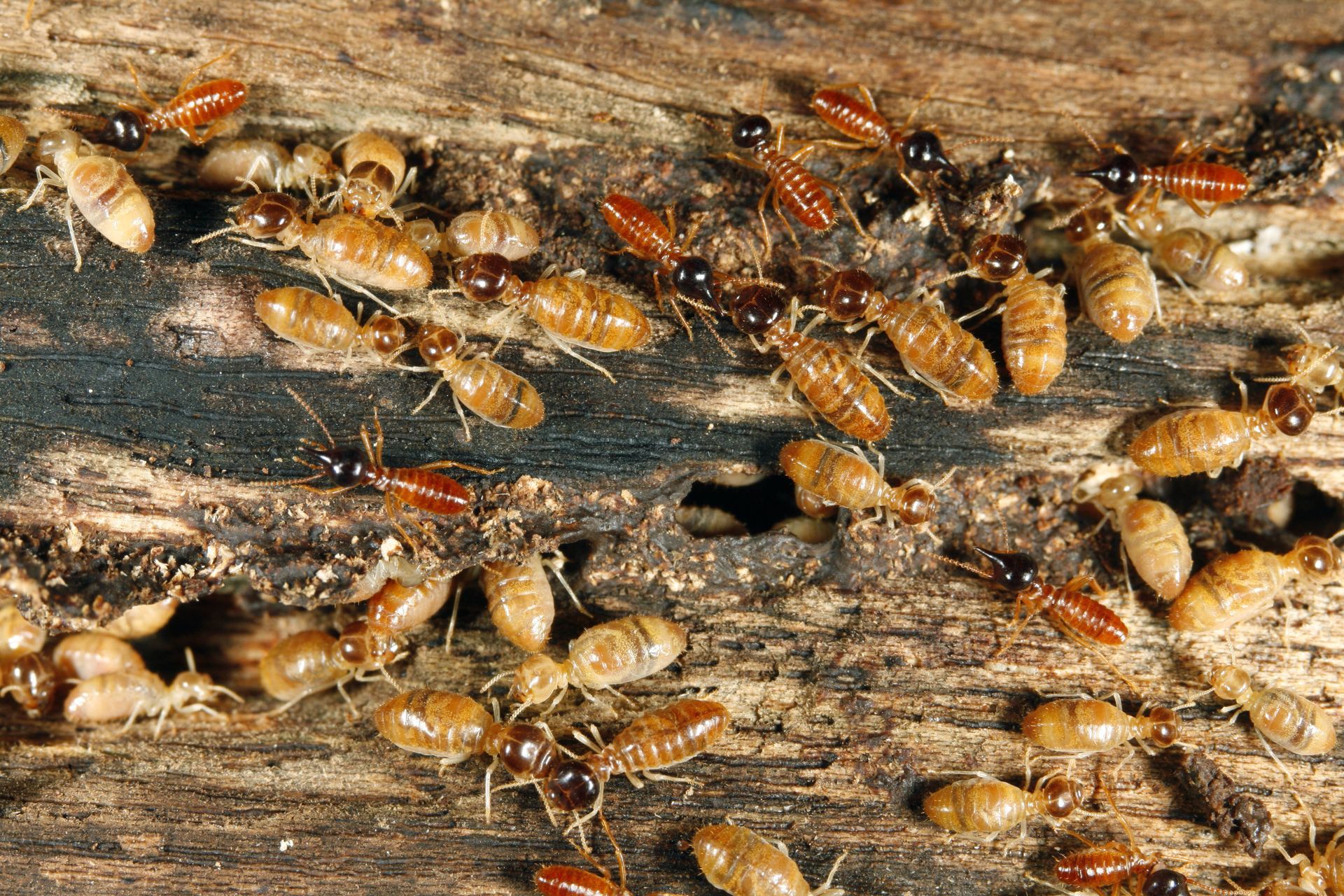
Termite colonies function through an organized caste structure engineered for rapid reproduction, territory expansion, and resource harvesting. Within each colony, workers, soldiers, and reproductive swarmers execute specialized tasks to ensure collective survival. Unlike most structural pests, termites feed exclusively on cellulose found in framing lumber, drywall paper, and subflooring. Worker termites forage around the clock, harvesting building materials to feed their queen and growing brood. In the United States, subterranean, drywood, and dampwood termites pose the greatest structural hazards. Subterranean species remain the most destructive, causing the vast majority of domestic damage nationwide while staying buried and undetected for years.
Recognizing the Subtle Warning Signs of Infestation
Because termites avoid daylight, identifying an active infestation requires recognizing subtle indicators around the home. Subterranean workers build narrow mud shelter tubes along concrete walls, crawl spaces, and sill plates to retain moisture. Homeowners often mistake these earthen passages for harmless dirt until severe structural degradation occurs. During spring swarming seasons, winged reproductive termites emerge to establish new colonies, leaving shed wings on window sills and thresholds. Structural timbers that sound hollow when tapped or display maze-like galleries beneath veneers indicate advanced colonization. Additional indicators include blistered drywall, sticking window frames, tight doors, and small accumulations of frass beneath woodwork.
Assessing the Severe Structural Hazards to Framing
The rate at which an active termite colony consumes wood poses a serious hazard to residential stability. A mature subterranean colony containing hundreds of thousands of workers can devour an entire linear foot of two-by-four timber in mere months. When multiple colonies intersect beneath a property, structural depletion accelerates exponentially, weakening weight-bearing wall studs, sill plates, and support beams. Despite this destructive potential, public awareness remains remarkably low. According to Pestworld, only 58% of U.S. homeowners are aware of the damage termites can cause to buildings and structures. This lack of awareness leaves millions of residential dwellings exposed to structural failure as load-bearing joists and studs are hollowed out from within.
Identifying Vulnerable Entry Points and Moisture Traps
Termites exploit tiny vulnerabilities across a home's exterior envelope, needing only a fraction of an inch to breach a foundation. Subterranean workers enter through hairline cracks in concrete slabs, mortar joints, and gaps around utility pipes. Direct wood-to-soil contact—such as untreated deck posts, stairs, landscape ties, and low siding—offers unobstructed pathways into the structure. Furthermore, excessive moisture creates an ideal habitat for expanding colonies. Leaking hose bibs, misaligned downspouts, and poor landscape grading trap water against masonry walls, softening timbers and saturating soil. Correcting these moisture defects while establishing consistent termite control around exterior perimeters halts pest infiltration before colonies breach structural framing.
Evaluating the Devastating Financial Costs of Delay
Failing to schedule regular professional evaluations can lead to overwhelming economic hardship for property owners. While patching minor cosmetic damage incurs modest costs, rebuilding compromised structural framing frequently requires tens of thousands of dollars. Compounding this financial burden, standard homeowners insurance policies almost universally exclude insect damage, categorizing it as preventable maintenance rather than sudden accidental loss. Consequently, homeowners must finance foundation jacking, joist replacement, and wall reconstruction out of pocket. Furthermore, unaddressed insect activity devastates property value, triggering mandatory disclosure filings, contentious negotiations, and substantial price reductions during sales. Investing in scheduled termite control avoids these crises by halting infestations before extensive structural damage takes hold.
Implementing Proactive Environmental and Yard Defenses
Protecting a residential building requires active environmental management throughout the surrounding yard and perimeter. Because subterranean termites depend on ground moisture to prevent desiccation, diverting rainwater away from the foundation is a fundamental preventative measure. Downspout extensions should direct runoff several feet clear of exterior walls, and surrounding soil must slope away from footings. Property owners should avoid spreading thick wood mulch against siding, as damp mulch provides continuous moisture and cellulose. Storing firewood, lumber scraps, and cardboard far from foundations eliminates accessible food sources. Additionally, trimming dense shrubbery promotes sunlight and airflow, creating dry conditions that deter subterranean workers from nesting near the structure.
Installing Reliable Physical and Chemical Barriers
Long-term structural defense requires specialized barrier technologies that create an impenetrable boundary around foundations. Physical barriers, including stainless steel mesh screens and graded sand layers, are frequently installed around slab penetrations during construction to block pest entry. Modern chemical barriers provide equally vital protection for existing homes. Professional liquid termiticides applied along foundation trenches create a continuous treated zone that halts foraging workers upon contact. Alternatively, exterior baiting systems deploy slow-acting growth inhibitors within ground stations; foraging termites consume the bait and transfer it throughout the colony, achieving complete nest eradication. Utilizing integrated termite control measures ensures that subterranean pathways remain permanently defended against hidden intrusion.
Comparing Professional Remediation with Surface Treatments
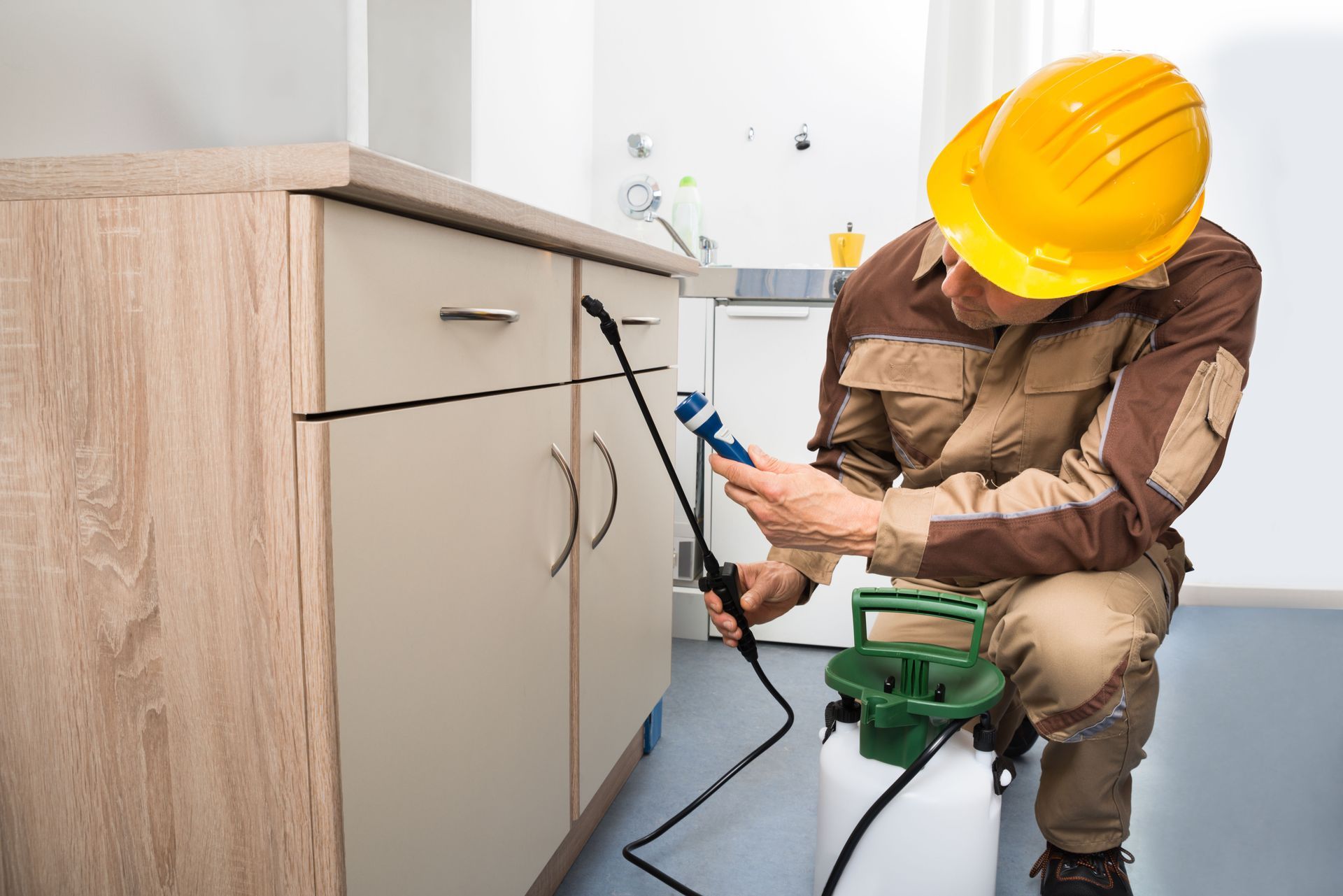
Many property owners attempt to resolve insect activity independently with store-bought aerosol sprays, broadcast dusts, or topical treatments. Unfortunately, superficial do-it-yourself methods merely eliminate visible workers while leaving hundreds of thousands of hidden insects unharmed deep inside the colony. Comprehensive eradication requires specialized diagnostic equipment and commercial-grade treatments that only licensed professionals can deploy. Certified pest specialists utilize advanced infrared cameras, acoustic sensors, and moisture meters to pinpoint active galleries inside walls without damaging drywall. Rather than masking surface symptoms, professional termite control systematically targets the core nesting network to eliminate the reproductive queen. Professional extermination provides lasting structural security that surface sprays cannot match.
Navigating Regional Building Codes and Legal Obligations
Municipal building codes and regional housing ordinances frequently mandate specific pest-management standards to uphold public safety and preserve housing stock. In regions designated as high-risk termite zones, local building regulations require certified pre-construction soil treatments, pressure-treated lumber, or physical shields before certificates of occupancy are issued. For current homeowners, legal accountability extends directly into real estate transactions, where disclosure statutes mandate revealing any known insect activity or unaddressed structural defects. Failing to disclose past infestations can result in costly post-sale litigation, substantial liability damages, and canceled contracts. Maintaining documented records of professional termite control demonstrates regulatory compliance and safeguards the seller's legal interests during property transfers.
Prioritizing Household Safety During Professional Treatments
Modern pest management practices prioritize resident well-being and environmental stewardship through refined application methodologies. Advanced termiticide formulations and subterranean baiting matrices bind tightly with soil particles and containment units, preventing chemical runoff into waterways and preserving beneficial garden insects. Professional technicians undergo rigorous training to calculate precise dilution rates, applying treatments exclusively in designated structural zones far removed from living spaces. Routine monitoring and proactive termite control prevent massive structural decay that could otherwise generate indoor mold growth, airborne allergens, and hazardous structural collapses. Preserving a sound dwelling protects property equity while maintaining a secure environment for family members. To protect your home from unseen structural damage and secure reliable, long-term defense, contact Go2-Pros Pest Control for a comprehensive property evaluation today.