November 20, 2026
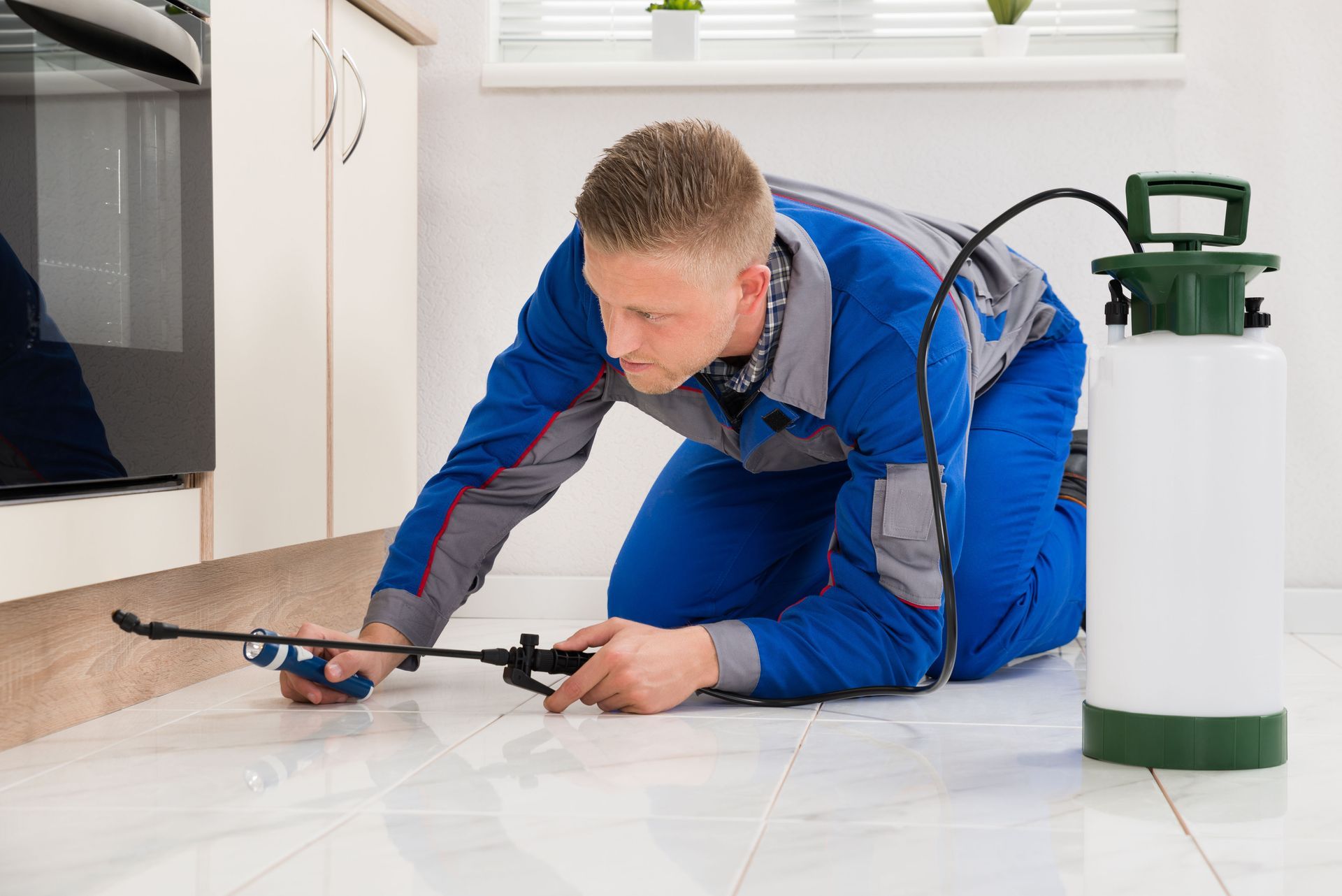
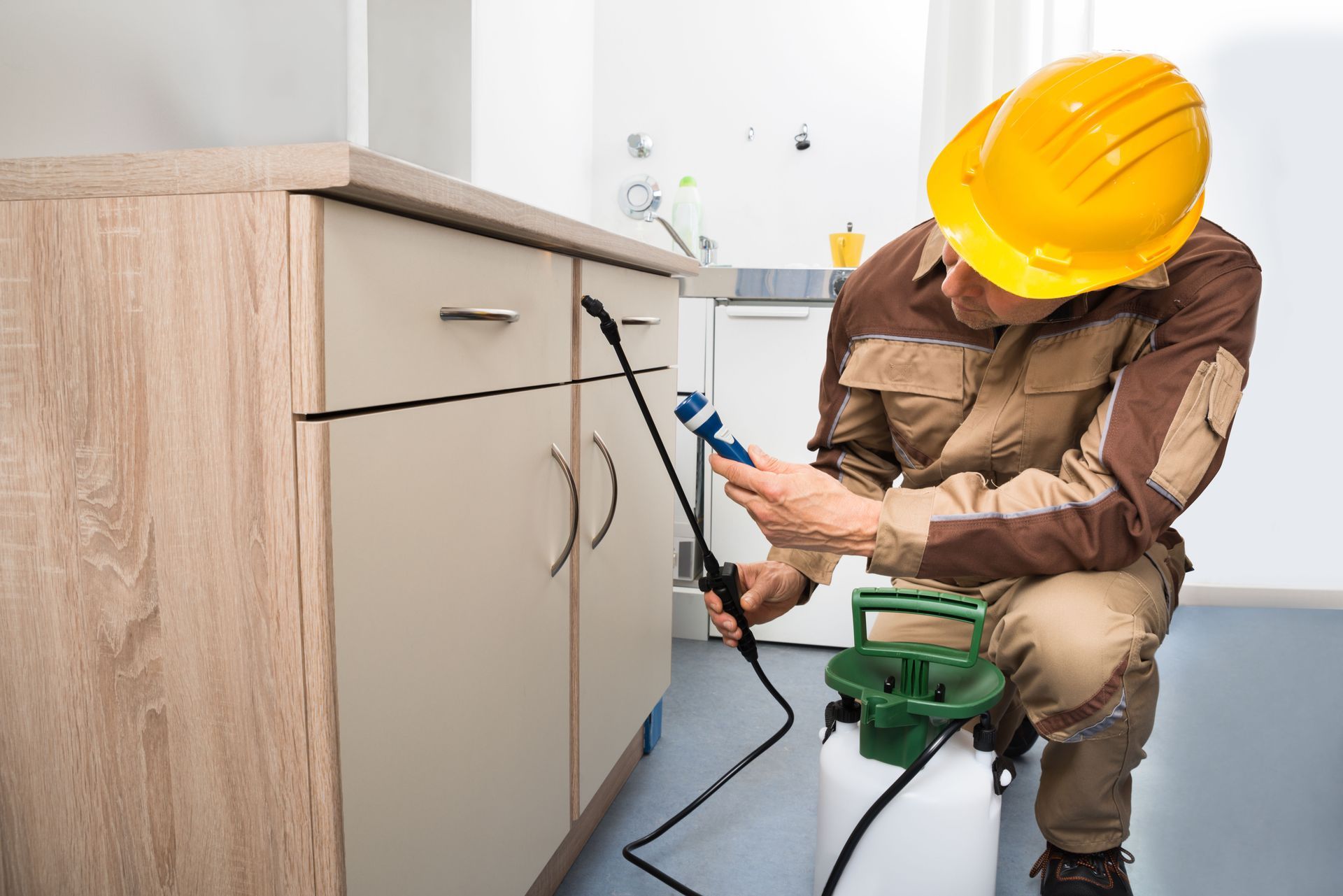
Pest control services play an essential role in safeguarding residential and commercial buildings from catastrophic structural degradation. When left unmonitored, wood-destroying insects and rodents quietly compromise foundational framing, support beams, electrical wiring, and thermal insulation. Because real estate assets represent substantial investments, preserving structural integrity is fundamental to maintaining equity and occupant safety. Engaging professional pest control services ensures that hidden threats are resolved before minor intrusions escalate into costly emergencies.
Understanding the Threat of Structural Pests
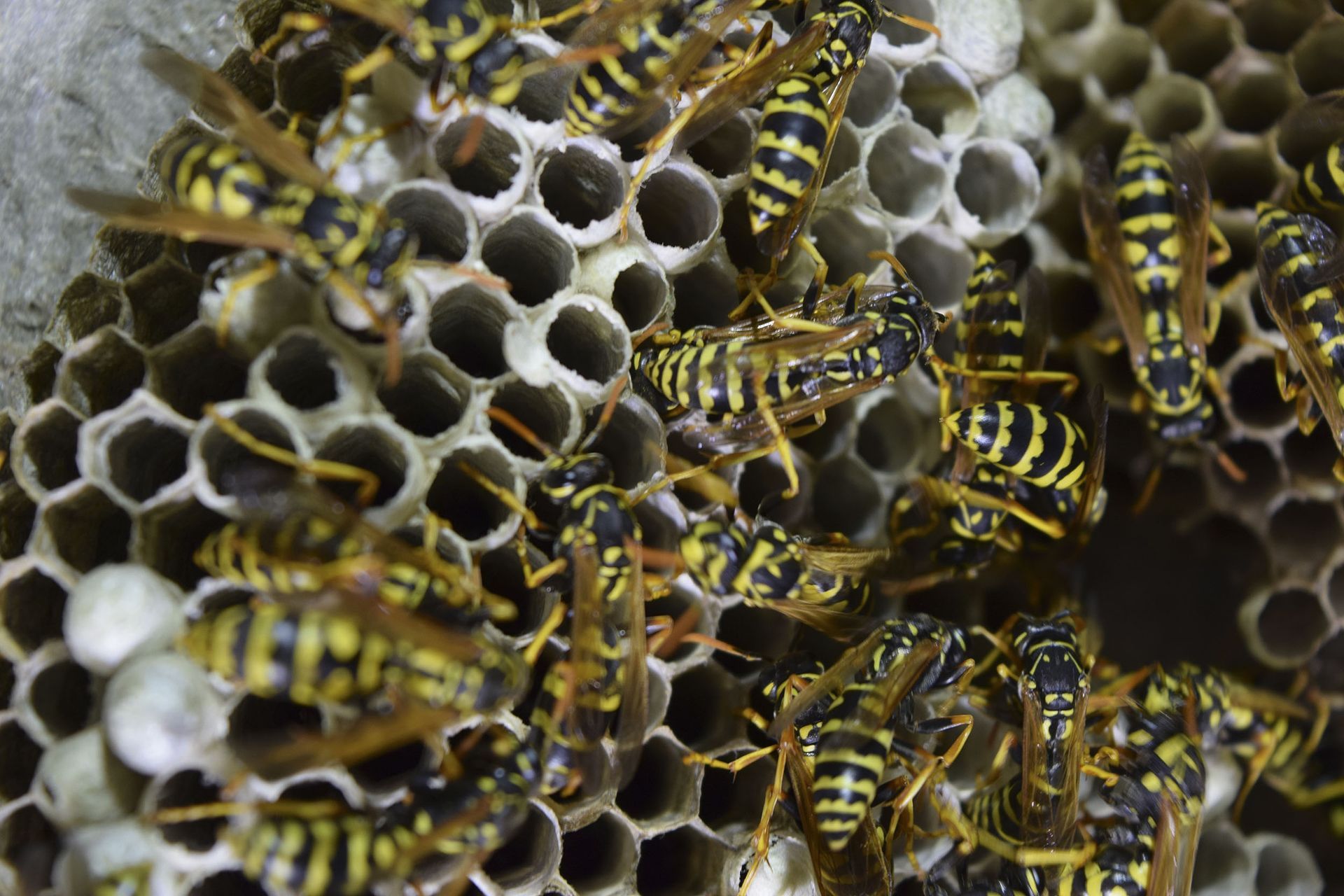
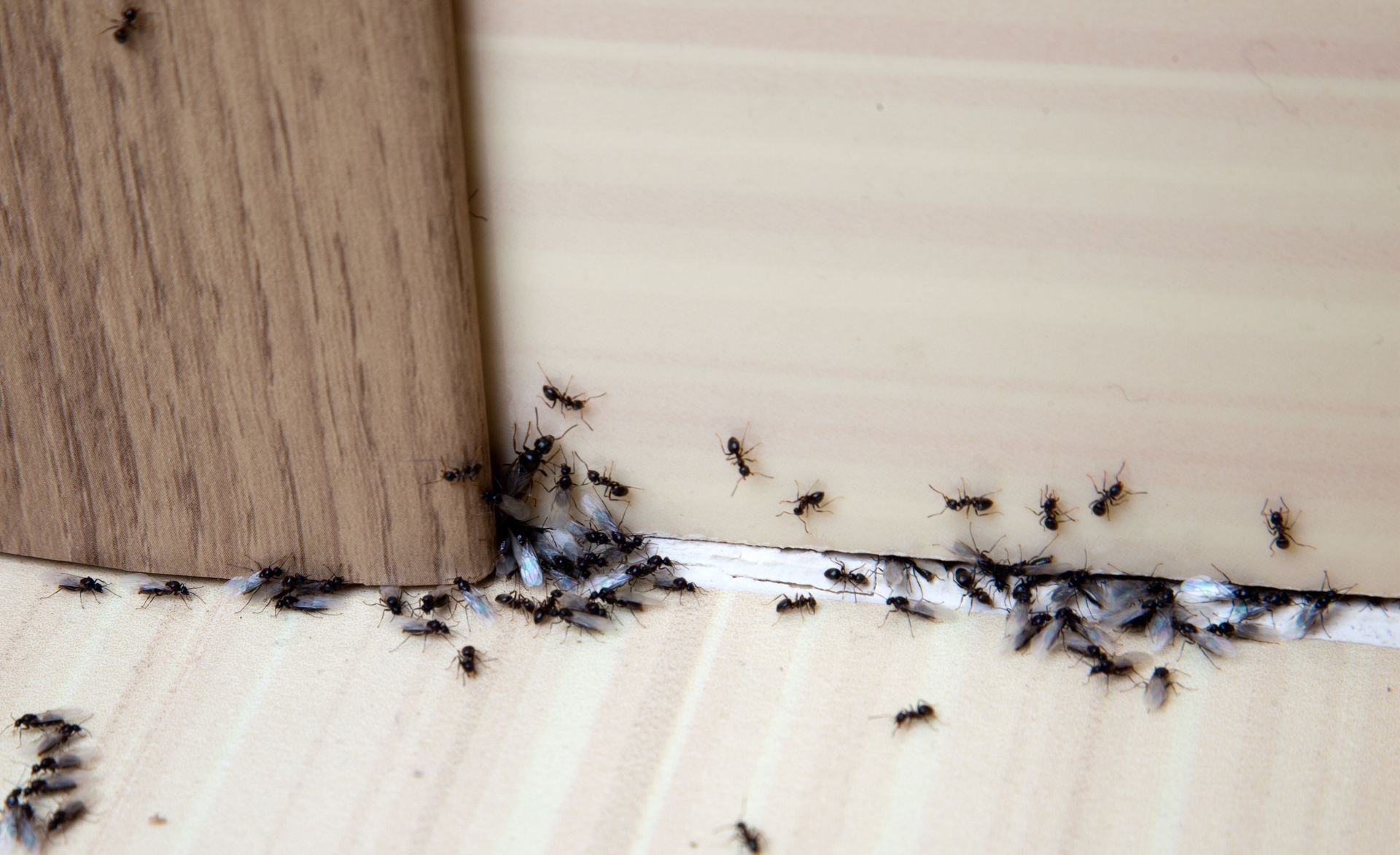
Identifying the biological culprits behind structural decay is the first step in establishing defense. Subterranean termites represent one of the most pervasive threats, tunneling through wooden framing, sill plates, subflooring, and interior wall studs. Carpenter ants do not consume wood directly, but they excavate extensive hollow galleries inside timber to rear their young. Similarly, powderpost beetles deposit larvae that bore through seasoned hardwoods, reducing dense support beams to fine powder over successive generations.
Meanwhile, commensal rodents such as rats and mice pose an entirely different category of structural danger. These animals have continuously growing incisors, compelling them to gnaw on framing, plumbing lines, and insulation. Because these pests operate behind drywall and subfloors, owners often fail to recognize their presence until substantial damage occurs.
Identifying How Pests Weaken Building Materials
Pests exploit minute architectural vulnerabilities, triggering progressive and compounding material failure. Termites feed on cellulose fibers, hollowing out load-bearing timber until only paper-thin exterior shells remain, which suddenly buckle under ordinary building weight. Concurrently, rodents chew through wire insulation, causing dangerous short circuits and serious fire hazards.
Furthermore, insect and rodent intrusions accelerate moisture-related decay. Nesting pests puncture vapor barriers and compress insulation, allowing ambient moisture to accumulate within structural framing. Even solid masonry and poured concrete foundations remain vulnerable. Burrowing pests exploit hairline settlement cracks, creating wider channels for rainwater intrusion that accelerates dry rot, fungal decay, and foundational shifting.
Reviewing Real-World Cases of Structural Failure
Real-world architectural failures demonstrate the severe consequences of neglected infestations. In several documented commercial cases, unchecked subterranean termite colonies hollowed out interior support columns, culminating in sudden floor collapses during business hours and triggering municipal condemnations. These disastrous events created severe liabilities and life hazards that routine inspections could have prevented.
In another notable case, an expansive timber structure suffered irreversible damage caused by wood-boring beetles. The internal framing was compromised so thoroughly that engineers declared the building structurally unsound, forcing complete demolition after rehabilitation estimates exceeded replacement costs. These sobering examples demonstrate that comprehensive pest control services are not merely cosmetic options, but vital risk management strategies designed to preserve building stability.
Assessing the True Financial and Value Losses
The financial consequences of unmanaged pest activity extend far beyond immediate invoices for lumber replacement and remedial repairs. According to Pestworld, pests cause an estimated $6.8 billion in property damage annually, highlighting how rapidly untreated infestations undermine capital assets. Beyond direct reconstruction costs, properties with a documented history of severe infestations frequently endure significant market devaluation, prolonged listing periods, and canceled real estate transactions.
Prospective buyers and commercial tenants routinely walk away from properties burdened by mandatory structural pest disclosures or visible wood damage. Furthermore, standard property insurance policies typically exclude damage caused by termites or rodents, classifying these occurrences as preventable maintenance failures. Property owners who fail to retain proactive pest control services often find themselves bearing the entire cost of structural reconstruction out of pocket.
Implementing Proactive and Preventive Management
Proactive prevention forms the most reliable, cost-effective defense against structural deterioration. Preventive management focuses on systematic perimeter inspections, exterior physical barriers, foundational moisture remediation, and detailed exclusion techniques. Sealing expansion joints, screening attic louvers, capping foundation weep holes, and maintaining proper clearance between topsoil and siding eliminate common insect pathways before colonies establish themselves.
By partnering with professional pest control services for scheduled seasonal monitoring, property managers establish an impenetrable defensive perimeter. Experienced technicians identify early warning signs, such as subterranean shelter tubes, localized moisture pockets, or minor rodent gnawing, long before structural stability is threatened. Consistent preventive maintenance minimizes overall capital expenditures by resolving minor pest intrusions before they require disruptive structural repairs.
Deploying Targeted Reactive Treatment Solutions
When active infestations breach exterior defenses and nest within walls, specialized reactive treatments must be executed swiftly to halt ongoing structural destruction. Modern reactive treatments range from precision liquid termiticides and non-repellent chemistries to subterranean baiting networks and mechanical exclusion devices.
Unlike generic consumer remedies that merely scatter pest colonies deeper into interior cavities, commercial technicians evaluate insect biology to achieve total colony elimination. In cases of severe wood infestation, specialized remedial treatments—such as pressure-injecting borate solutions directly into compromised timber—penetrate deep into framing to neutralize larvae and active colonies. Promptly engaging specialized pest control services ensures that active infestations are eradicated completely without pushing pests toward unaffected building quadrants.
Adopting Integrated Pest Management Principles
Integrated Pest Management (IPM) provides an ecologically sound methodology for long-term structural preservation. Rather than relying solely on repetitive chemical applications, IPM combines architectural adjustments, rigorous sanitation practices, physical exclusion, and continuous monitoring. Structural entry points are permanently sealed, interior humidity levels are systematically controlled through mechanical ventilation, and targeted chemical treatments are utilized strictly when verified pest thresholds are crossed.
This methodology minimizes pesticide exposure while delivering durable defense against invasive organisms. IPM protocols focus heavily on eliminating the environmental conditions that attract pests, such as standing water around footings, wood-to-ground contact, and damp crawlspaces. By emphasizing sustainable prevention alongside targeted intervention, IPM maintains the structural integrity of residential and commercial facilities over decades.
Leveraging Advanced Technology for Monitoring
Modern pest management harnesses cutting-edge diagnostic technology to locate hidden infestations before exterior symptoms manifest. High-resolution infrared thermal imaging cameras and acoustic emission sensors detect the heat signatures and vibrations of wood-destroying insects moving behind drywall and concrete subfloors without requiring intrusive wall demolition.
In addition, smart digital sensor arrays and automated bait monitors provide continuous surveillance across hidden crawlspaces and utility chases, instantly alerting technicians when rodent or insect activity is detected. For expansive commercial rooftops, drone inspections assess elevated soffits, fascia boards, and roof valleys for moisture accumulation and wood rot that attract wood-boring pests. Incorporating modern technology into pest control services ensures earlier detection, precise targeting, and reduced remediation expenses.
Selecting the Right Professional Partner
Selecting a qualified service partner is essential for establishing reliable structural defense. Property owners should verify that prospective contractors possess active state licenses, specialized certifications in wood-destroying organisms, and comprehensive liability insurance coverage. A trustworthy partner conducts rigorous initial assessments, provides photographic documentation, and devises customized remediation plans tailored to the property.
Furthermore, property owners should prioritize providers offering clear warranties covering re-treatment and structural repairs if pests return. Formal service agreements ensure that monitoring stations are inspected regularly, chemical barriers are refreshed on schedule, and newly emerging vulnerabilities are rectified promptly. Investing in reliable pest control services guarantees continuous structural security and protects property investments from devastating structural failure.
Safeguarding Properties Against Costly Termite Damage
Because subterranean termites operate within concealed wall voids, subterranean soil, and structural footings, effective termite mitigation demands specialized professional expertise and continuous vigilance. Annual inspections conducted by certified specialists provide indispensable peace of mind, verifying that load-bearing pilings, sill plates, and roof trusses remain sound, stable, and completely uncompromised. When foundational longevity, human safety, and property valuation are at stake, professional intervention is an investment that consistently pays for itself. Secure your investment, preserve your structural framing, and guarantee lasting protection by contacting Go2-Pros Pest Control today.