February 20, 2026
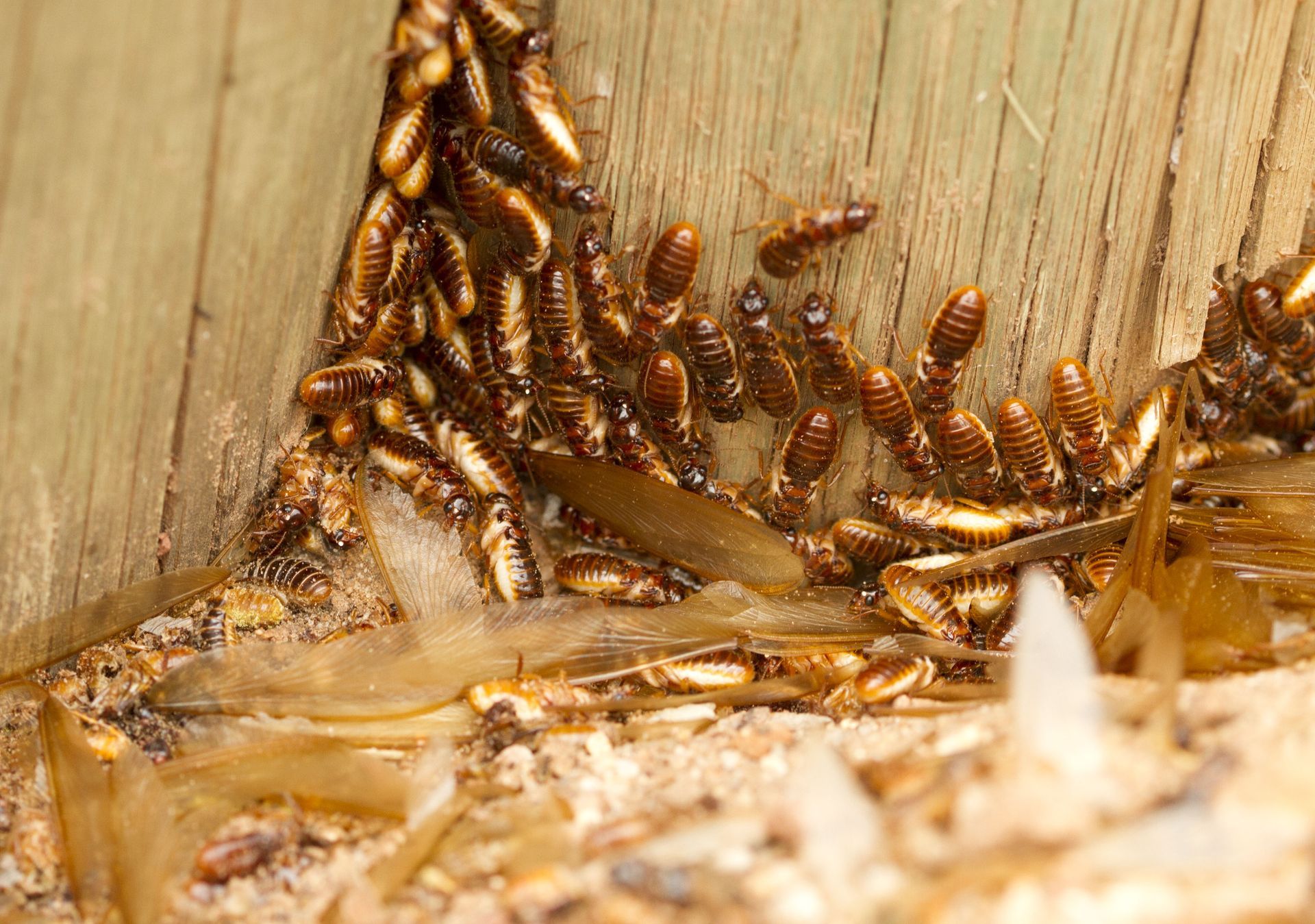
Termites are often considered a minor nuisance in comparison to other household pests. However, these tiny insects pose significant threats to structures, leading to costly damage if not addressed swiftly and efficiently. This article explores why termite control should be prioritized, offering insights into the environmental, economic, and health impacts of unchecked termite infestations. Despite their small size, termites can cause large-scale destruction, deteriorating not just individual homes but also posing risks to broader ecosystems. Understanding the importance of termite control can prevent future damage and contribute to sustainable living practices.
The Economic Impact of Termite Infestations
Cost of Structural Damages
Termites cause significant structural damage by consuming wood and compromising the integrity of buildings. This damage can affect the fundamental stability of homes, necessitating extensive repairs and renovations. In the United States alone, termites cause an estimated $5 billion in damage annually, affecting approximately 600,000 homes each year, according to Gitnux. These costs include not only direct damage repairs but also potential replacements of entire wooden structures. Understanding the economic impact is vital for appreciating why timely termite control is an essential preventive measure.
Financial Burden on Homeowners
For homeowners, the financial implications of termite infestations can be devastating. Apart from the repair costs, homeowners also face potential indirect costs such as temporary housing and loss of personal belongings. Many homeowners are caught off-guard by the expenses associated with termite damage, which often are not covered by standard insurance policies. This financial burden underscores the importance of investing in preventive termite control measures, which can offer long-term savings. Homeowners need to recognize the potential costs of inaction to safeguard their financial stability.
Impact on Property Value
A history of termite infestation can significantly lower the value of a property, making it less attractive to potential buyers. Even after successful remediation, the stigma associated with previous infestations can linger, influencing market perceptions. Prospective buyers are often wary of purchasing homes with past termite issues, fearing undiscovered damages or future reinfestations. As a result, sellers may have to lower their asking price to attract buyers, impacting their return on investment. Regular termite inspections and prompt treatments can help maintain property value by preventing infestations from affecting a home’s marketability.
Challenges in Insurance Coverage
Many insurance policies do not cover termite damage, leaving homeowners financially exposed to the costs of repair. Insurers often categorize termites as a preventable issue, similar to maintenance-related home damages, which are typically excluded from coverage. This lack of coverage emphasizes the necessity for homeowners to engage in preventive measures and regular maintenance. Understanding insurance policy details is crucial for homeowners to avoid unexpected expenses. Proactive termite management can serve as a first line of defense in protecting one's home and investment from uncovered risks.
Health Risks Associated with Termites
Allergic Reactions and Asthma
While termites themselves do not directly harm humans, they can contribute to allergic reactions and asthma attacks in sensitive individuals. The dust and particles from termite nests and infested wood can trigger respiratory symptoms, particularly in confined indoor environments. Managing termite infestations promptly can mitigate these health risks by reducing the presence of irritants. Where termite activity is suspected, timely inspections and remediation can preserve indoor air quality. Continued research into the relationship between termite infestations and respiratory health helps guide effective public health interventions.
Mold Growth and Spores
Termite activity can increase the likelihood of mold growth, as they often contribute to elevated moisture levels within structures. This moisture encourages mold proliferation, releasing harmful spores into the air, exacerbating allergies and respiratory conditions. Inspecting and addressing termite damage promptly can prevent mold development and its associated health concerns. Combining mold and termite control strategies ensures healthier living environments with improved air quality. Efforts to maintain adequate ventilation and reduce humidity can further support these preventative measures.
Transmission of Bacteria
Termites have also been known to transmit bacteria, which can be concerning for residents. Researchers continue to explore the health implications of bacteria associated with termite infestations, noting potential risks to household residents. Although direct transmission to humans is rare, maintaining cleanliness and addressing infestations promptly reduces potential vectors for bacterial spread. Preventive termite management in tandem with regular home sanitation practices assists in safeguarding against multifaceted health threats. Staying informed about these risks encourages proactive termite and health management from homeowners.
Secondary Pest Problems
A termite infestation may attract secondary pests, such as ants, that invade termite colonies or scavenge in infested wood. These secondary pests can introduce additional health risks, including bites or further contamination of living spaces. Comprehensive pest control solutions tackle not just termites, but also the potential for other pest invasions. Coordinated action plans that incorporate termite management with broader pest control principles ensure a pest-free environment. Understanding the interconnected nature of pest infestations is crucial for effective long-term management.
Prevention and Control Strategies
Importance of Regular Inspections
Regular inspections are crucial for early detection and management of termite infestations. By routinely checking for signs of termite activity, homeowners can catch potential problems before they escalate into serious issues. These inspections can be conducted by professionals or homeowners themselves, although professional services often provide more comprehensive evaluations. Consistent monitoring ensures timely interventions, safeguarding against substantial structural damage. Establishing a routine inspection schedule helps lower the likelihood of surprise infestations and contributes to ongoing property maintenance.
Effective Treatment Options
A variety of treatment options exist for combating termite infestations, each tailored to specific types of termites and degrees of infestation. Chemical treatments, such as termiticides, are commonly used for their efficiency in eradicating active infestations. Non-chemical options, like baiting systems, can also be effective for long-term management by targeting termite colonies over time. Employing the right treatment strategy involves assessing the severity of the infestation and consulting with pest control experts. A customized approach can help ensure successful termite control with minimal environmental disruption.
DIY Solutions vs. Professional Services
Homeowners may attempt DIY solutions for termite control, such as using barrier treatments or natural deterrents. While these may provide temporary relief, they often lack the comprehensive efficacy of professional extermination services. Professionals bring expertise, advanced tools, and certified treatments that ensure thorough eradication and prevent reinfestation. Comparing costs, long-term effectiveness, and potential risks can help homeowners decide the best approach for their circumstances. Ultimately, professional services offer more reliable and lasting solutions.
Policy and Regulatory Measures
Policy and regulatory frameworks are essential for standardizing termite management practices and ensuring public safety. Programs that promote community awareness and support for termite control initiatives can help prevent widespread infestations. Regulations may also establish guidelines for responsible pesticide use, mitigating potential environmental impact. As understanding of termite behavior and risks evolves, these policies must adapt to reflect the most effective and sustainable management strategies. Collaborative efforts between government, industry, and communities create a comprehensive defense against termite threats.
As we have seen, termites are more than just a minor inconvenience; they represent a significant threat to our homes, finances, and the environment. By making termite control a priority, homeowners can protect their investments, preserve property values, and contribute to healthier living conditions. It is essential to stay vigilant and informed, embracing both traditional and innovative strategies to effectively manage and mitigate termite infestations. Regular inspections, advanced technologies, and sustainable practices form the cornerstone of effective termite prevention and management. A proactive approach ensures a future where human habitation and ecological health coexist harmoniously, free from the unchecked spread of destructive termite populations. For more information, contact Go2-Pros Pest Control.